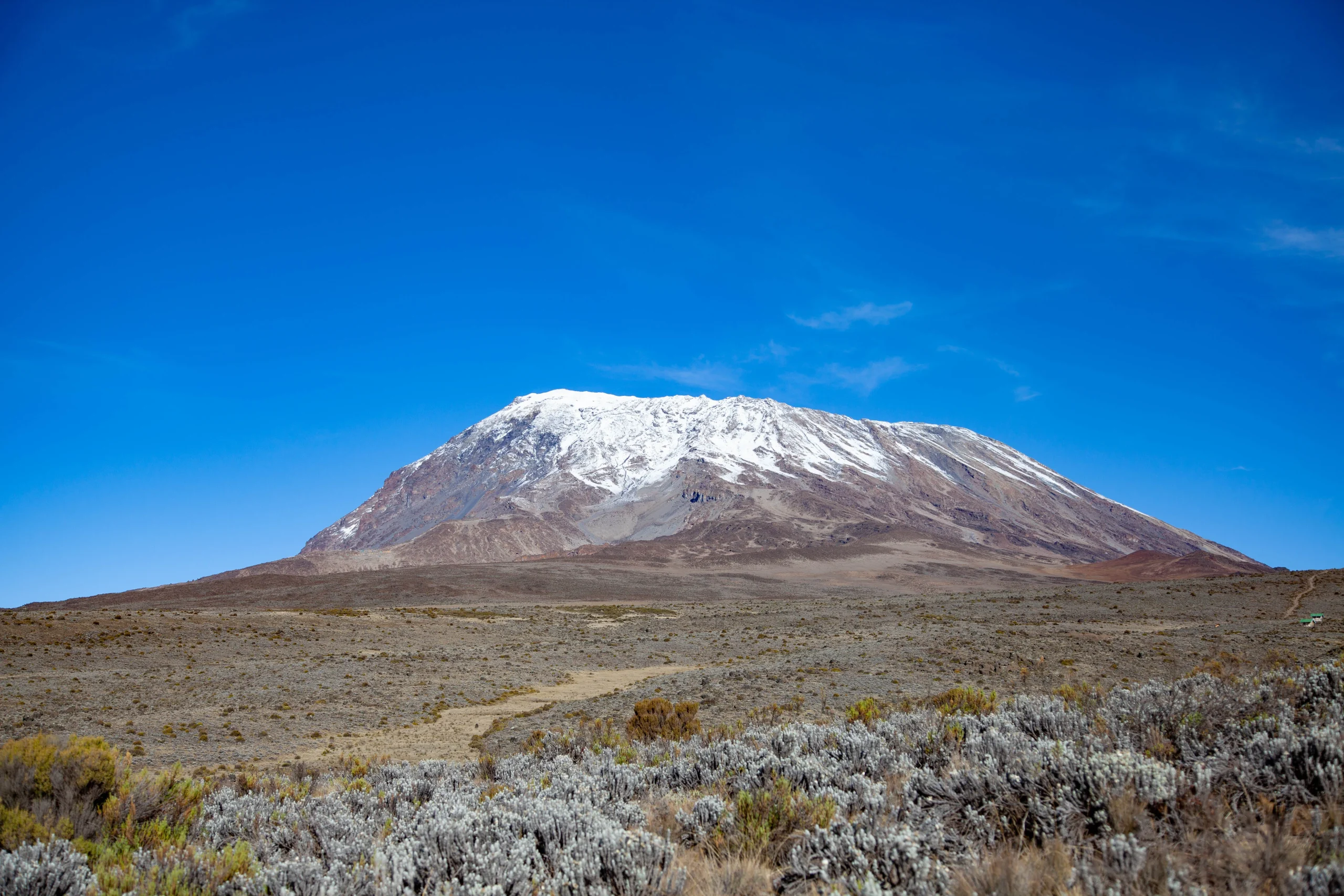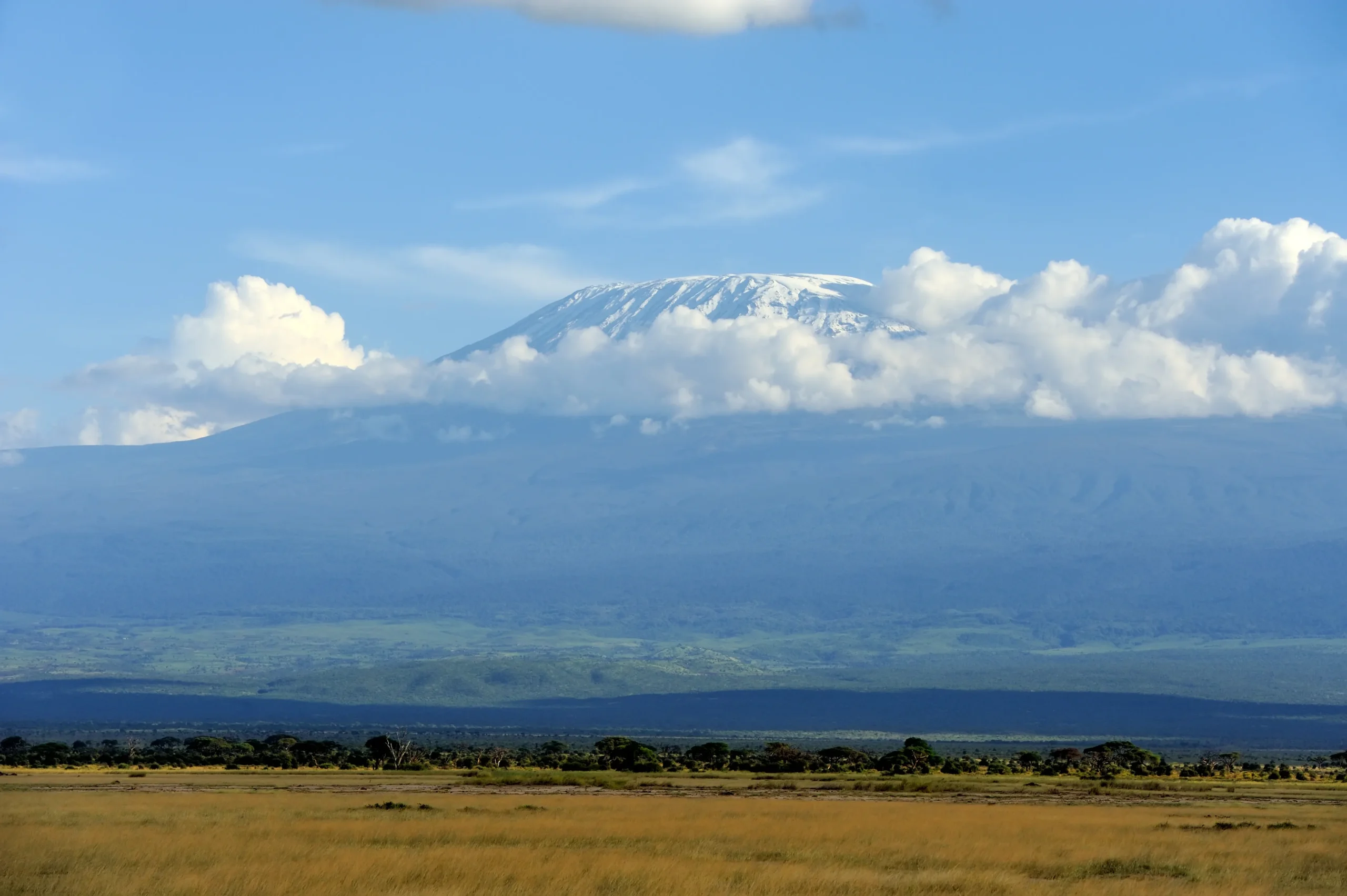
Machame Route
The scenic "Whiskey Route", dramatic and popular, with excellent acclimatisation.
Ask about this route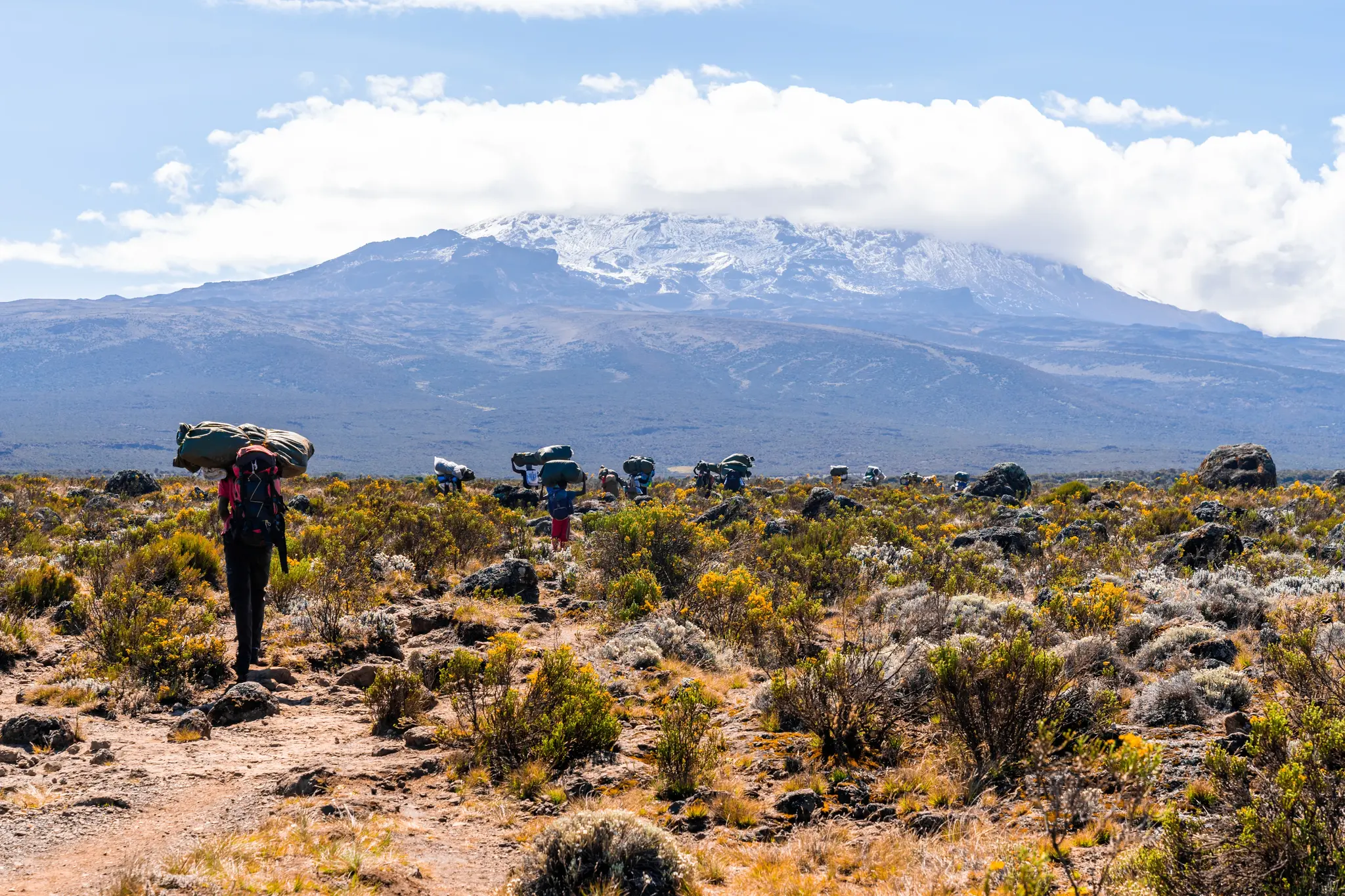
Africa's highest peak, climbed at a pace that gets you to the summit and lets you enjoy the mountain. Expert local crews, strong safety and routes chosen around you.
Choose your path
Machame, Lemosho, Marangu or the quiet Northern Circuit, each route has its own character and success rate. Here is how they compare, so you can choose with confidence.
The scenic "Whiskey Route", dramatic and popular, with excellent acclimatisation.
Ask about this routeThe most beautiful approach, crossing the Shira Plateau. Our highest success rate.
Ask about this routeThe classic "Coca-Cola Route", the only trail with comfortable hut accommodation.
Ask about this routeApproaches from the quieter north, ideal in the wetter months. Remote and gentle.
Ask about this routeThe longest, quietest route with unrivalled acclimatisation and the best summit odds.
Ask about this routeSteep, direct and challenging, for fit, experienced trekkers seeking a raw ascent.
Ask about this routeFrom farmland to glacier
On the way up you walk through every kind of country between the equator and the poles. Each zone changes what you wear, what you see and how the air feels.
Plan my climb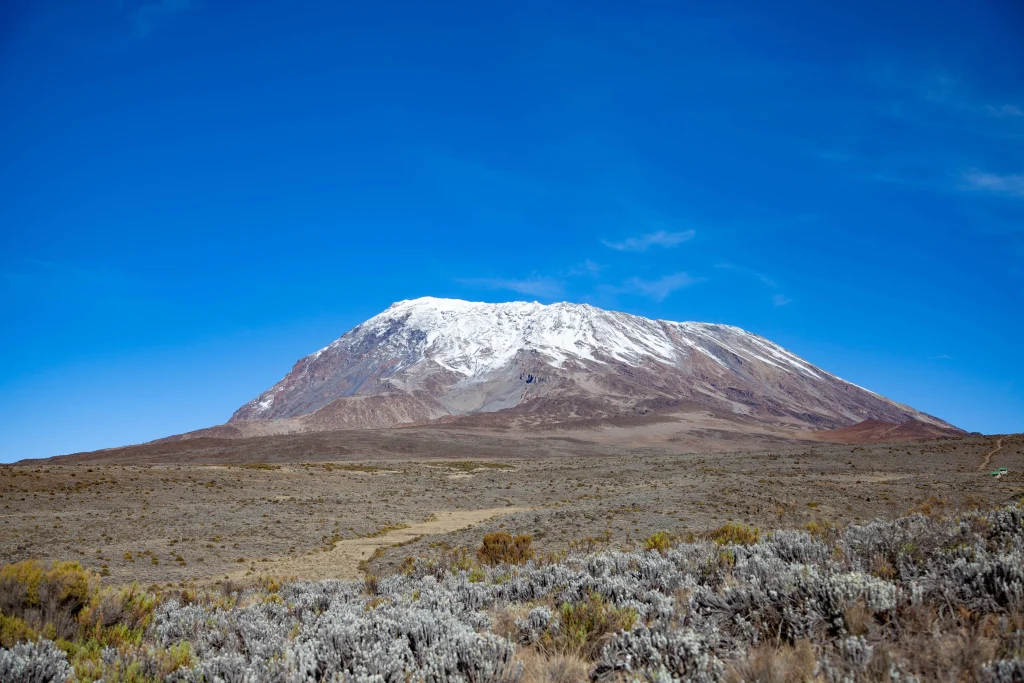
Before you climb
You do not need to be an athlete, but you do need the right preparation, the right pace and the right team behind you. Here is what it takes, honestly.
Upcoming trips
Share the trail, and the cost, with a small group. Pick a departure below and ask for your place.
No departures this month. Try another month or year.
Climb with confidence
A safe summit is a well-planned one.
Ready-made treks
Private climbs on the main routes, each one adjustable to your dates and pace.
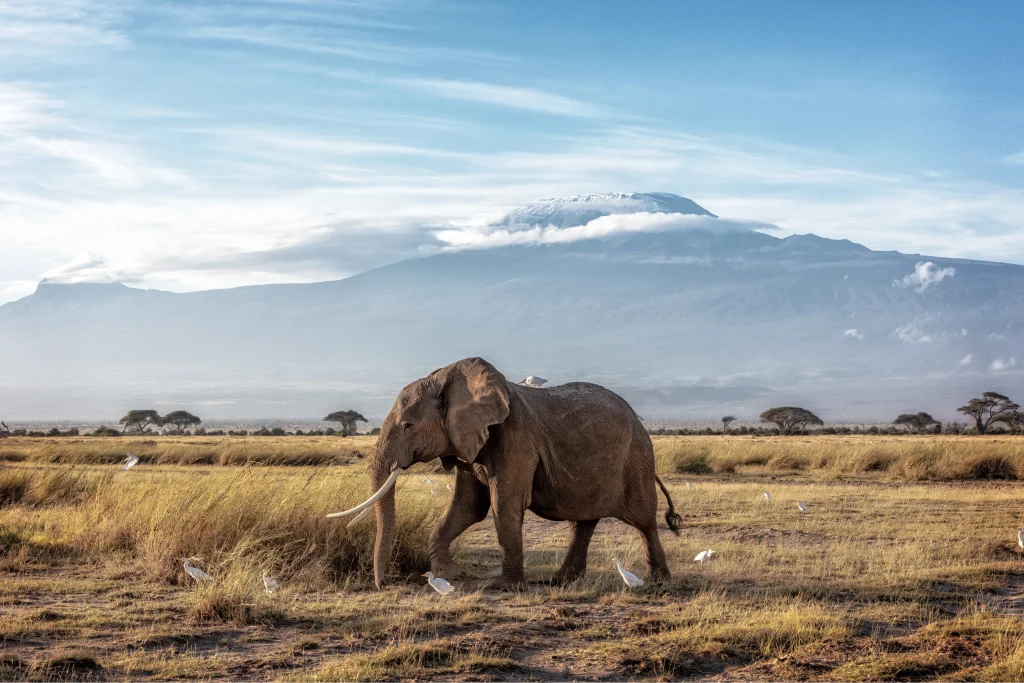 6days
Mount Kilimanjaro (Machame route) → Mweka Gate & Departure 6-Day Kilimanjaro Trek Machame Route
The classic Kilimanjaro climb. Six days up the scenic Machame Route, from steamy rainforest to the roof of Africa, with a sunrise summit of Uhuru Peak (5,895m).
From$1,800per person
View itinerary
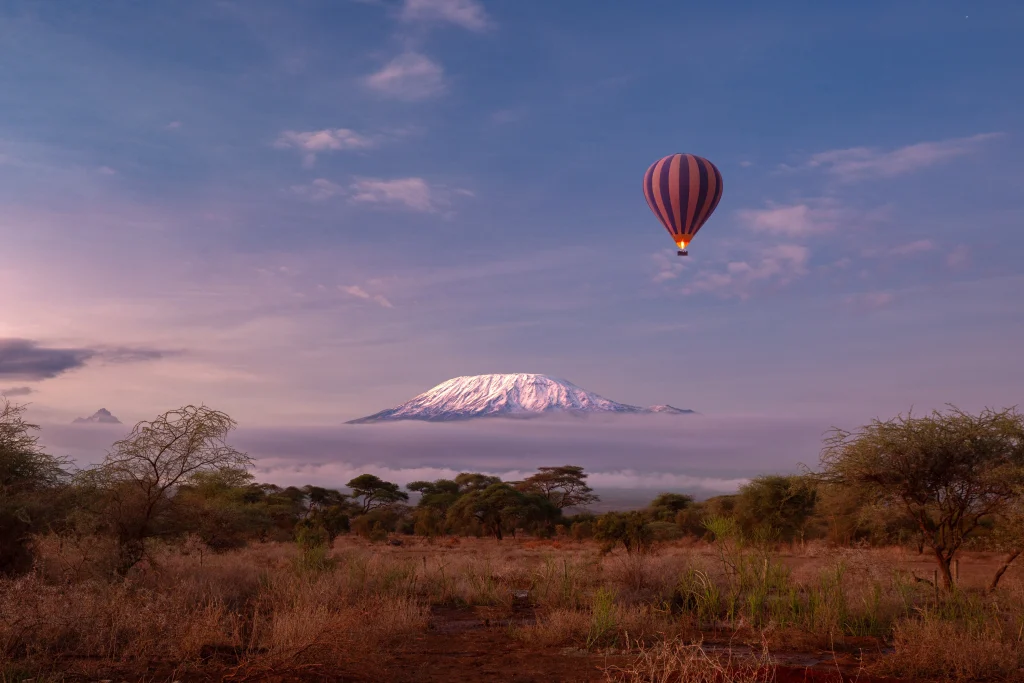 6days
Mount Kilimanjaro (Marangu route) → Marangu Gate 6 Days Marangu Route Kilimanjaro Adventure
The only hut-to-hut route on Kilimanjaro. Six days up the classic Marangu Route with a full acclimatisation day at Horombo, sleeping in mountain huts rather than tents.
From$1,650per person
View itinerary
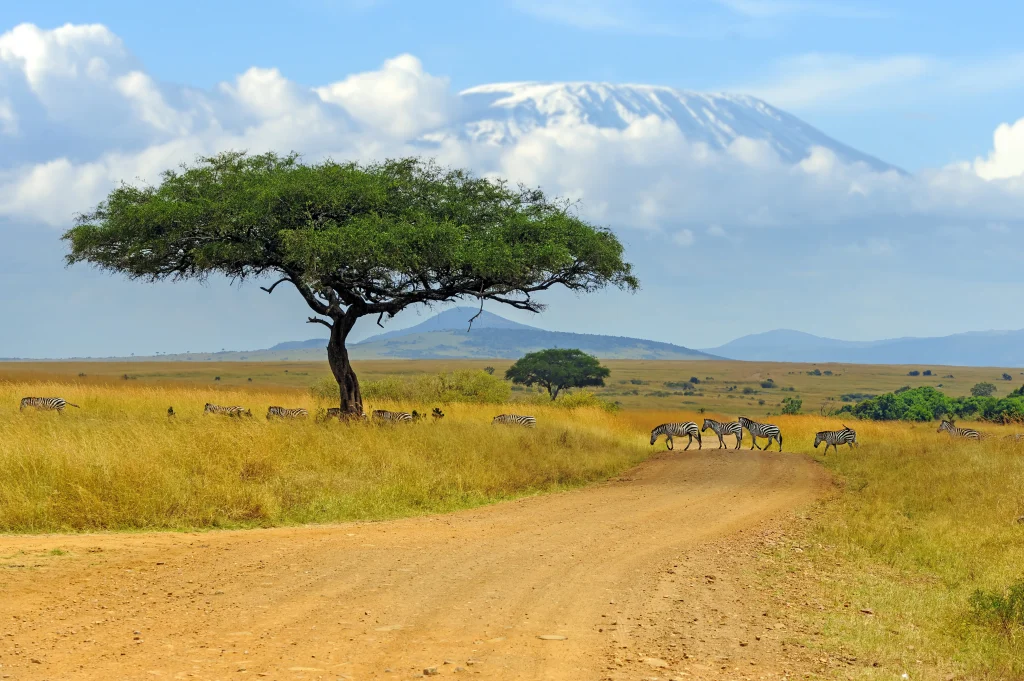 8days
Mount Kilimanjaro (Lemosho route) → Mweka Gate & Departure 8-Day Mount Kilimanjaro Trek: Lemosho Route
Our top pick for reaching the summit. Eight unhurried days up the wild, scenic Lemosho Route, with Kilimanjaro's best acclimatisation profile and the highest success rates.
From$2,300per person
View itinerary
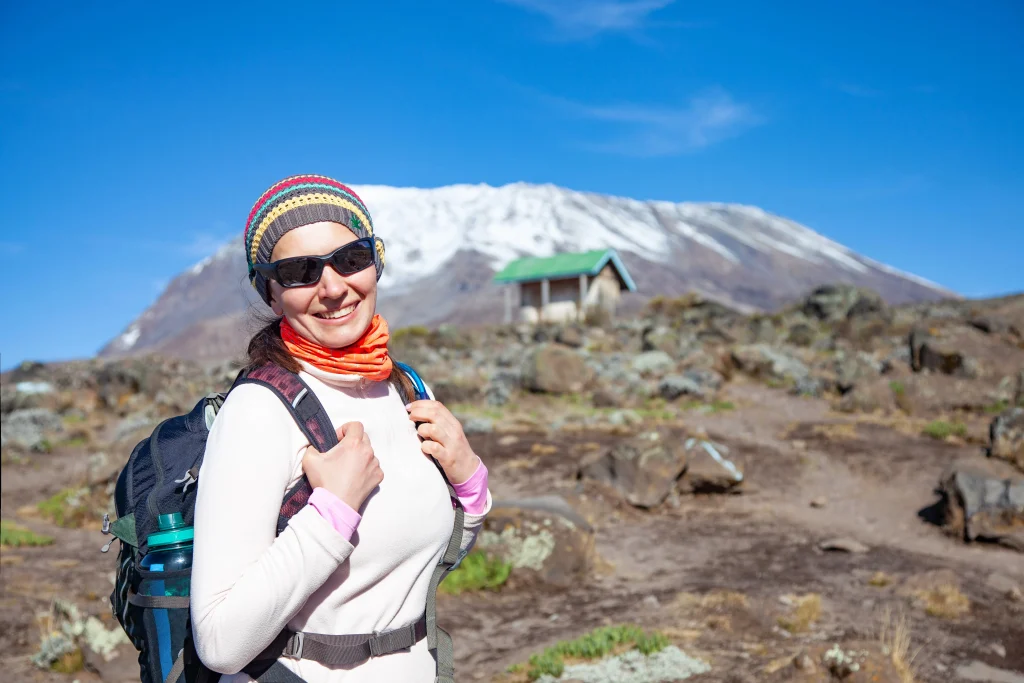 7days
Mount Kilimanjaro (Machame route) → Mweka Gate & Departure 7-Day Machame Route Trek
The scenic Machame Route with an extra acclimatisation day at Karanga for a stronger, safer summit. Seven days from rainforest to glacier on Kilimanjaro.
From$1,850per person
View itinerary
 5days
Mount Kilimanjaro (Marangu route) → Marangu Gate 5-Day Marangu Route (Coca-Cola Route)
The shortest way up Kilimanjaro. Five days hut-to-hut on the Marangu (Coca-Cola) Route, sleeping in huts, with a summit attempt on Uhuru Peak (5,895m).
From$1,390per person
View itinerary
Good to know
Kilimanjaro is a trek, not a technical climb: no ropes or mountaineering skills are needed. The real challenge is altitude, which is why the choice of route and the number of days matter so much. With good preparation, most reasonably fit people can reach the top.
Longer routes. Eight or nine days on the Lemosho or the Northern Circuit give your body far more time to adjust than a six-day climb, and acclimatisation is the single biggest factor in reaching Uhuru Peak.
Build endurance rather than speed: long walks with a daypack, ideally over hills, and several days of walking in a row. Ask us and we will suggest a plan that fits the time you have.
Each climb lists exactly what is included and what is not. As a rule park fees, guides and the mountain crew, meals on the mountain, tents or huts and transfers are included; personal gear, tips and travel insurance are not.
The cards above tell you what each route is like. This tells you how they differ, in the four things that decide whether you enjoy the week: time on the mountain, where you sleep, how gently you gain height, and how many other people you share the trail with.
| Route | Days | Distance | Sleeping | Approach | Acclimatisation | How busy | From |
|---|---|---|---|---|---|---|---|
| Lemosho First-timers who want the best odds and the best scenery. | 7-8 | 70 km | Tents | West | Best | Quiet early | $2,300 8-day trip |
| Machame Fit trekkers happy to share the trail for a dramatic route. | 6-7 | 62 km | Tents | South-west | Very good | Busy | $1,800 6-day trip |
| Northern Circuit Anyone with the time. The longest route and the gentlest on the body. | 9 | 90 km | Tents | West then north | Best | Very quiet | On request |
| Rongai The wetter months - the north side is the driest approach. | 6-7 | 73 km | Tents | North | Good | Quiet | On request |
| Marangu Climbers who want a bed and a roof, and are short on days. | 5-6 | 72 km | Huts | South-east | Limited | Busy | $1,390 5-day trip |
| Umbwe Experienced trekkers only. Steep, direct and unforgiving. | 6 | 53 km | Tents | South | Hardest | Very quiet | On request |
More dots means more time for your body to adjust, or a quieter trail. We do not publish a summit percentage here, because the figure means nothing without knowing how an operator counts it. Ask us and we will talk you through our own record on the route you are considering.
Kilimanjaro is a walk, not a climb. Almost everyone who struggles struggles with the air, not the path, so this is the part worth reading twice.
Every breath at Uhuru Peak carries roughly half the oxygen of the same breath in Arusha. Your body can adapt to that, but only at its own pace, which is why we walk pole pole - slowly, slowly - and why a longer route beats a fit pair of legs.
Sleeping bags, jackets and poles can be hired in Arusha. Tell us what you are missing and we will have it waiting.
Start your adventure
Tell us how you like to travel and our specialists will craft a private, tailor-made itinerary, with honest advice and no obligation.
Reserve a place
Send your details and we will write back to confirm availability.