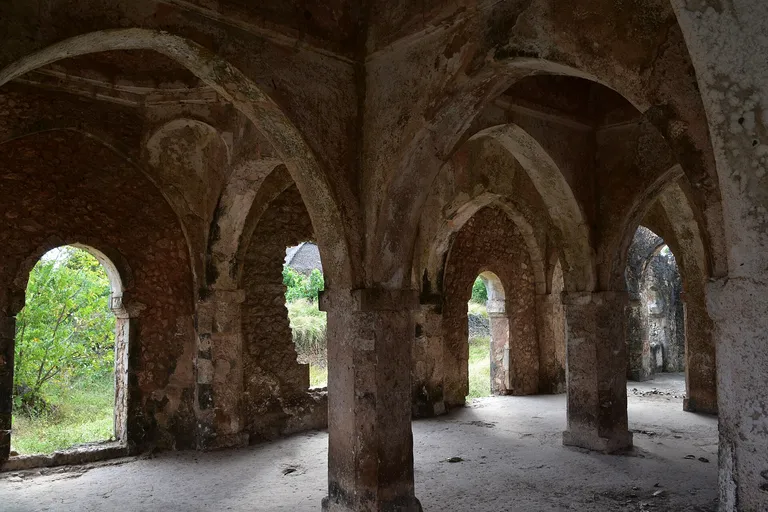
The Great Mosque
Domed coral-stone halls begun in the 12th century, a UNESCO World Heritage site.
The ruins of a medieval Swahili trading city on an island off the southern coast, with a great mosque, a sultan's palace and a fort.
Why go
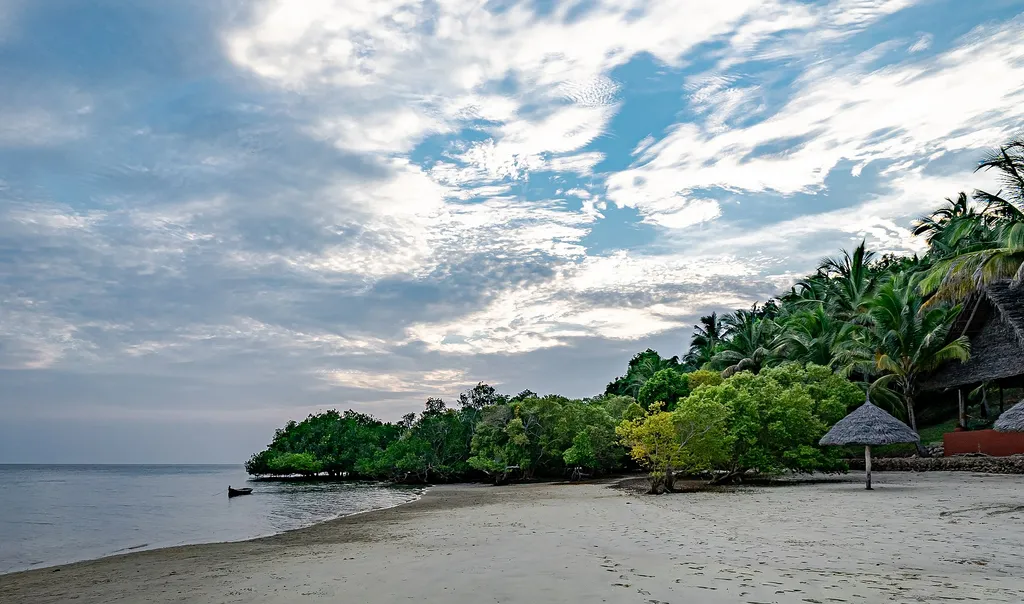
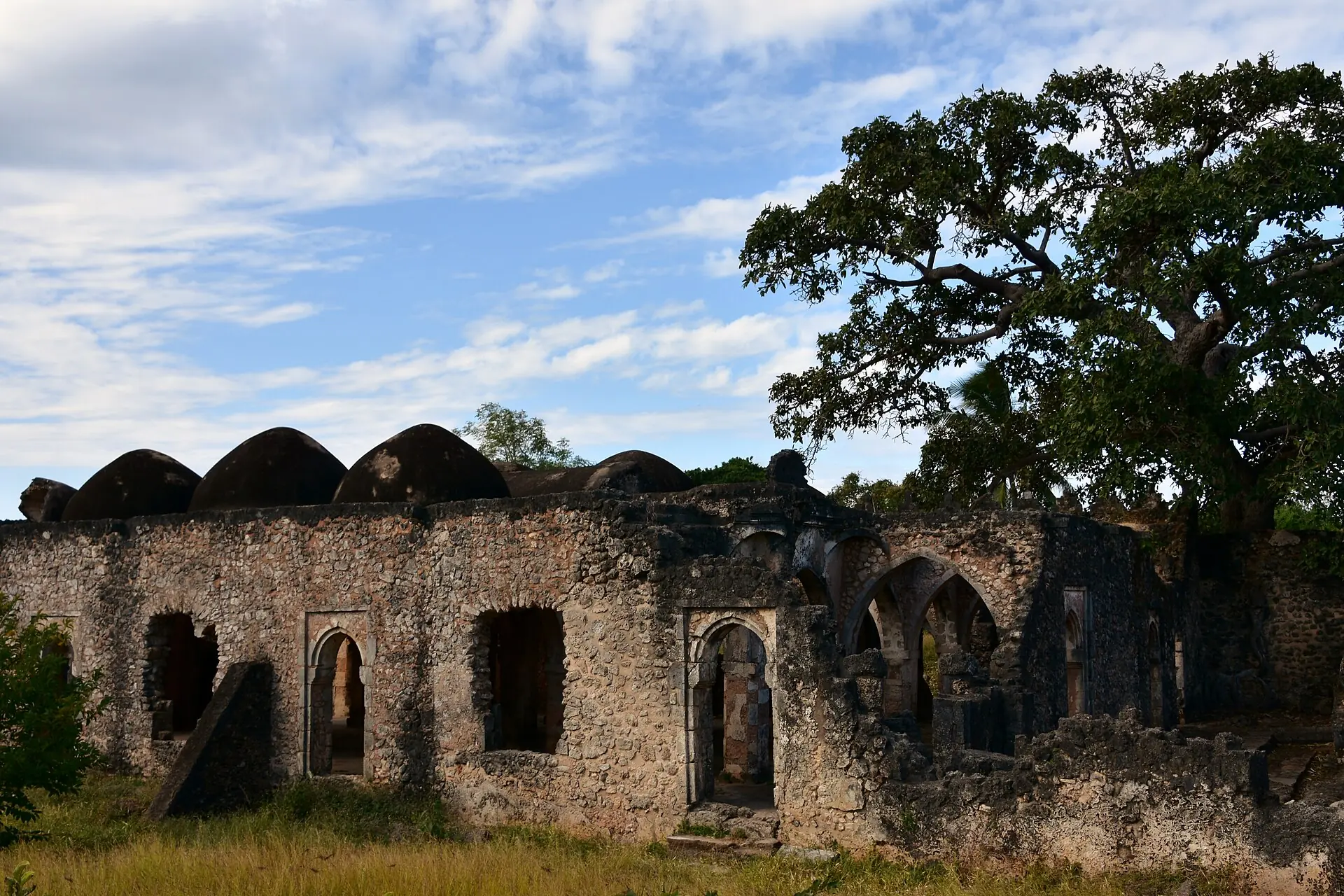
Kilwa Kisiwani is a small island off Tanzania's southern coast, and for several centuries it was one of the great trading cities of the Swahili world. Kilwa minted its own coins, and the traveller Ibn Battuta visited in 1331. The Portuguese sacked the city in 1505, and it was abandoned in the 1840s. Today it is a UNESCO World Heritage Site, listed in 1981, and a quiet place of coral-stone walls, baobabs and fishing villages.
The Great Mosque, begun in the 12th century and enlarged in the early 14th, still has its domed and vaulted halls. On the cliff above the sea stands Husuni Kubwa, the ruined palace of a 14th-century sultan, and near the landing is the Gereza, a fort built by the Portuguese and later held by the Omanis. A longer boat trip away, Songo Mnara is a second stone town from the 14th to 16th centuries, with six mosques, a palace and more than 40 houses.
You visit with a guide and a permit arranged at the tourist office in Kilwa Masoko, the mainland town where you stay. The boat to Kilwa Kisiwani takes about 20 minutes; Songo Mnara is about 1.5 hours by motorboat, and landing can mean wading through mangroves with the tide. Add dhow trips and village walks, allow two or three nights, and pair it with Mafia or Nyerere.
Highlights
Domed coral-stone halls begun in the 12th century, a UNESCO World Heritage site.
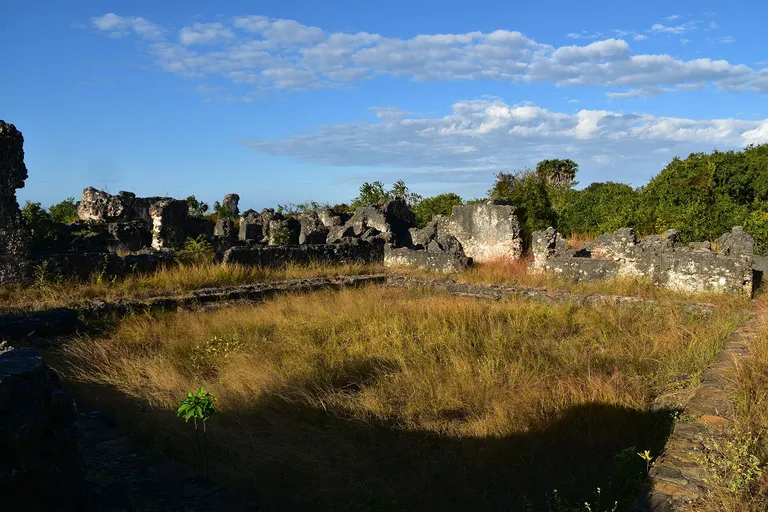
The ruined clifftop palace of a 14th-century sultan.
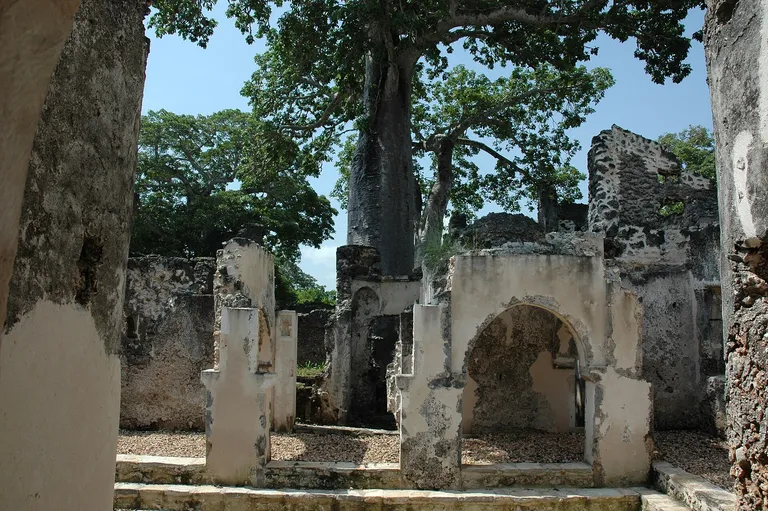
A second ruined stone town, reached by boat through the mangroves.
The best months
June to October for calmer seas; avoid the March to May rains.
Tanzania weatherGood to know
By road south from Dar es Salaam to Kilwa Masoko, a long day's drive, or by charter flight. From Kilwa Masoko, boats reach Kilwa Kisiwani in about 20 minutes.
Two or three nights in Kilwa Masoko: one day for Kilwa Kisiwani, another for Songo Mnara.
History lovers, photographers and travellers combining the southern coast with Mafia or Nyerere.
Gallery
Before you go
Yes. Permits and guides are arranged at the tourist office in Kilwa Masoko before you take the boat across, and we arrange this for you.
By motorboat from Kilwa Masoko, about 1.5 hours. Depending on the tide, the landing can mean wading through mangroves, so wear shoes that can get wet.
June to October, when the seas are calmer. Avoid the March to May rains.
Swahili Ruins
Tell us when you would like to go and how you like to travel, and we will shape a journey around Kilwa Kisiwani, with honest advice and no obligation.