Uhuru Peak
Stand at 5,895m on the continent's highest point.
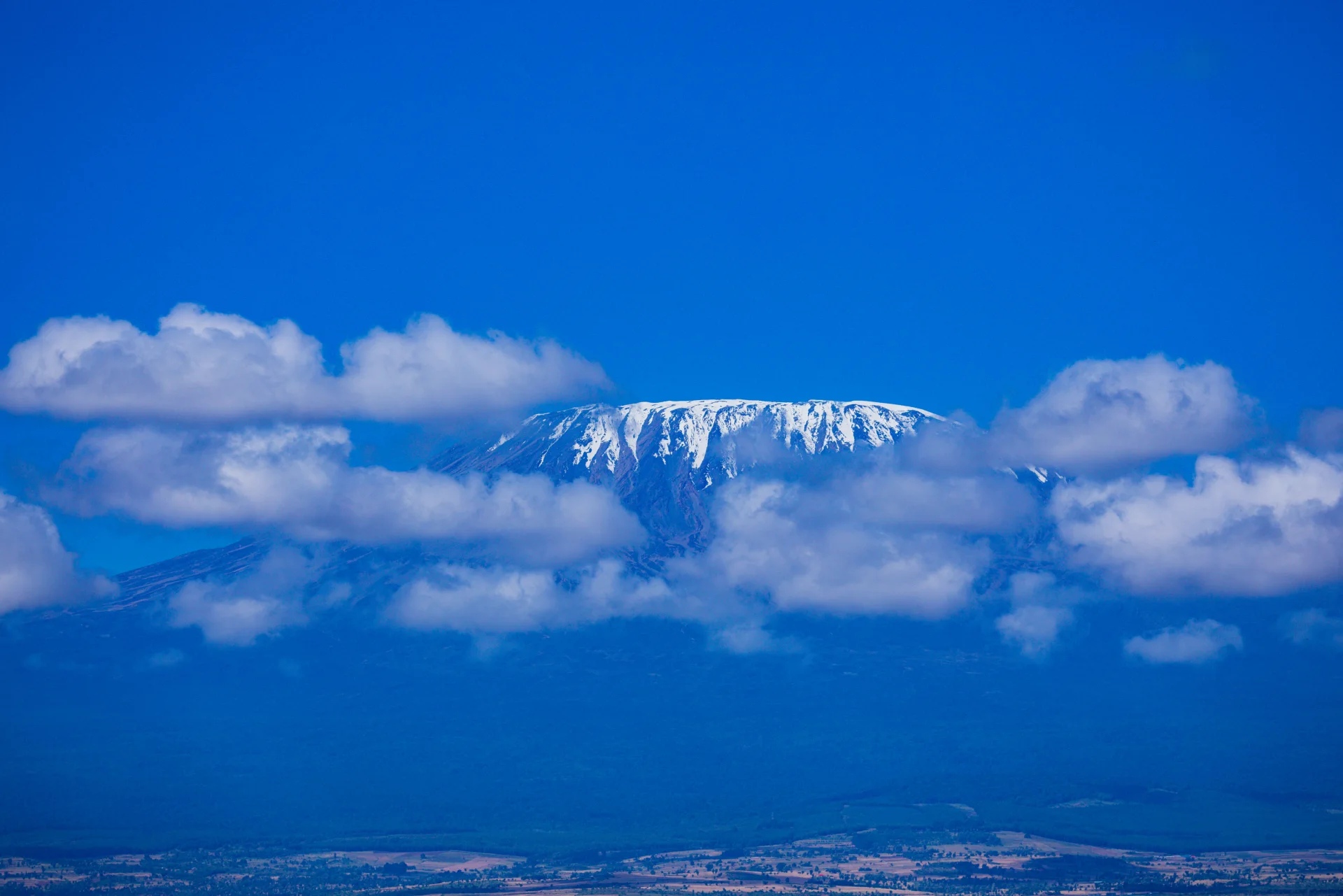
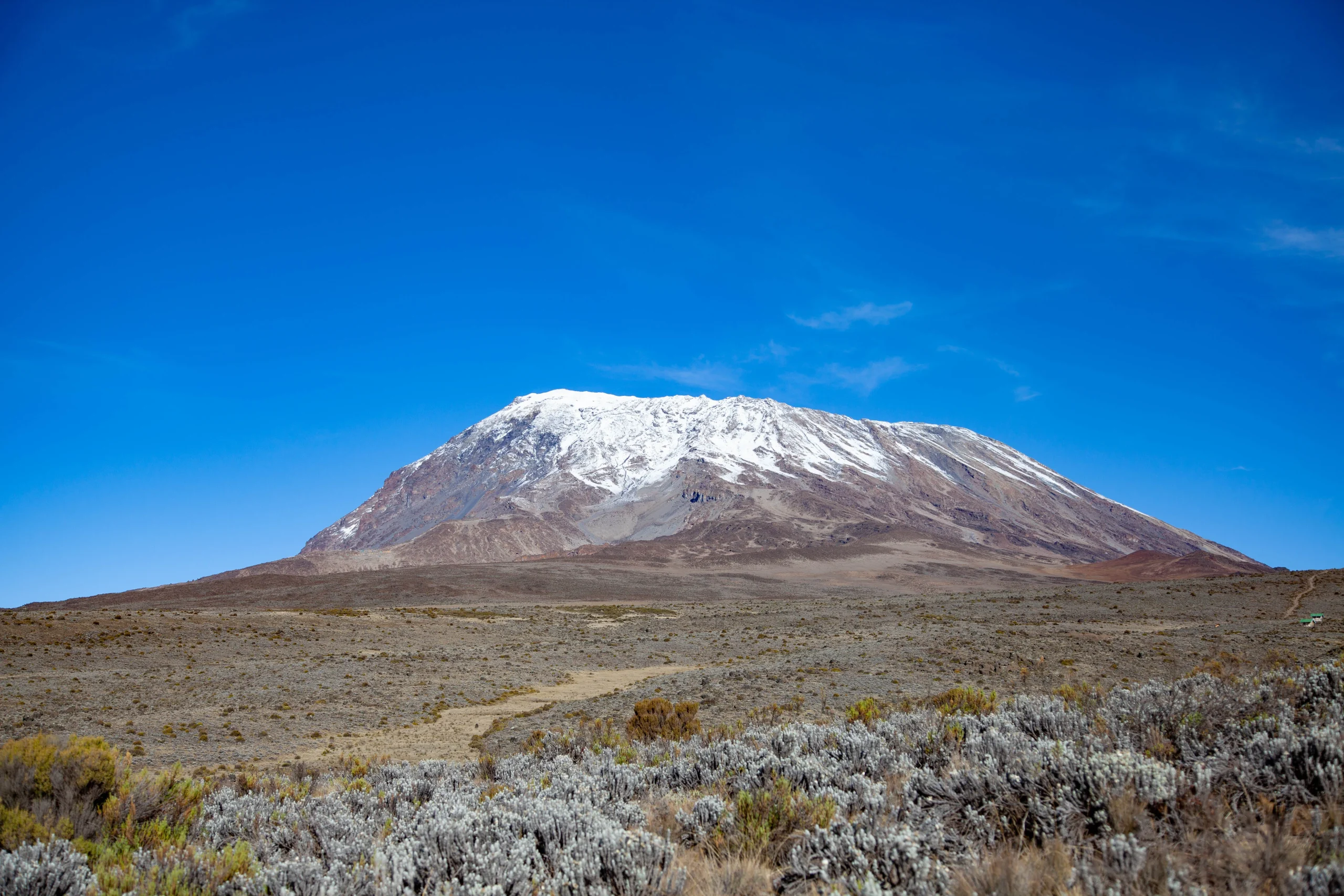
The highest free-standing mountain on earth at 5,895m.
Why go
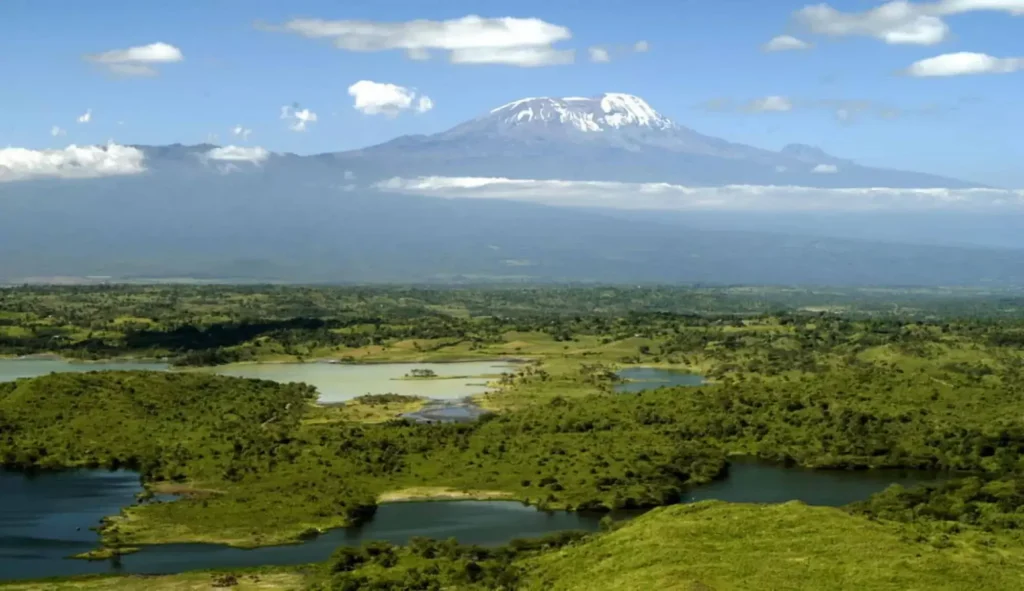
Mount Kilimanjaro is an iconic global landmark, standing as the highest mountain in Africa and the tallest free-standing mountain peak on earth. Its unique eco-landscape is a vertical journey through five distinct climate zones, starting in cultivated farmland and progressing upward through dense tropical rainforest, low alpine moorland, high alpine desert, and finally an arctic summit cap of permanent glacial ice. Climbers navigate this colossal volcanic massif via several designated routes, each offering a distinct perspective on the mountain's topography.
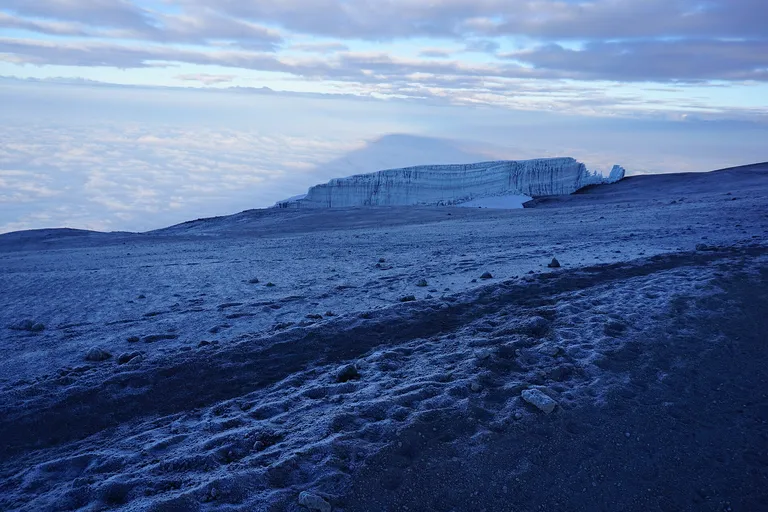
The lower rainforest and heather zones host unique, specialized flora and fauna, including endemic Kilimanjaro impatiens flowers and colobus monkeys. As the altitude increases past 4,000 meters into the alpine desert, vegetation drops away completely to reveal massive, prehistoric giant groundsels and lobelias standing against the volcanic gravel fields. The ultimate goal is Uhuru Peak on the Kibo crater rim, where climbers stand alongside towering walls of ancient blue glacial ice to watch the sunrise over the African continent.
The core activity here is multi-day mountaineering trekking, with itineraries ranging from five to nine days depending on the selected route and required acclimatization time. Logistics require flying into Kilimanjaro International Airport (JRO) and basing out of the nearby gateway towns of Moshi or Arusha for gear checks and guide briefings. Accommodations on the mountain are strictly regulated, utilizing either public mountain huts on the Marangu route or mobile mountain tents pitched at designated wilderness campsites on all other trails.
Highlights
Stand at 5,895m on the continent's highest point.
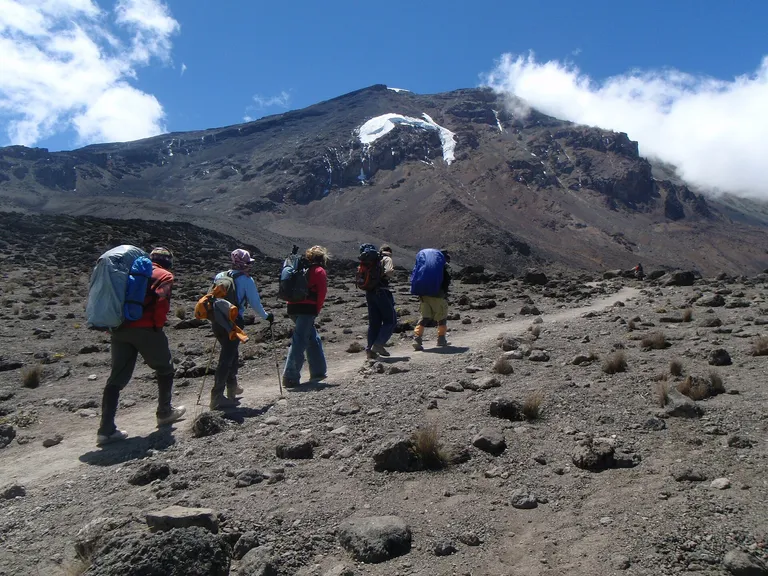
Choose from Machame, Lemosho, Marangu, Rongai and more.
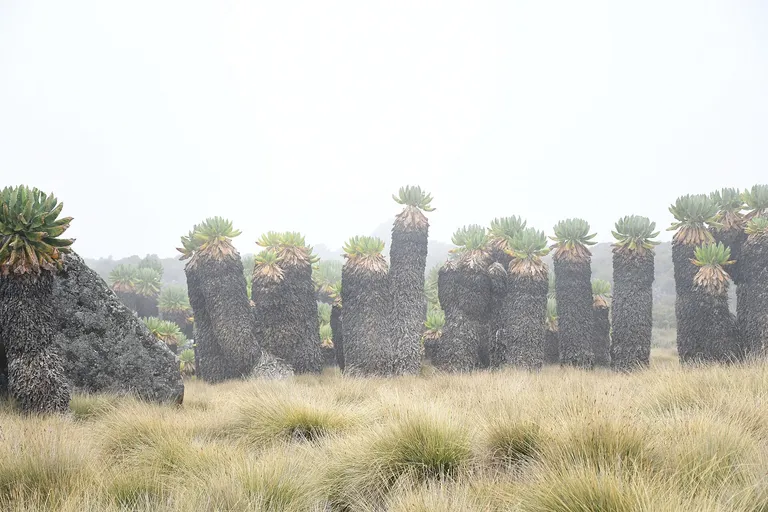
Trek from rainforest to alpine desert to glaciers.
The best months
January to March and June to October.
Tanzania weatherOur picks for Mount KilimanjaroOther months
Good to know
Kilimanjaro International Airport lies between Arusha and Moshi, about an hour from each. Climbs start from gates on the lower slopes, a short drive from Moshi.
Six to nine days on the mountain, depending on the route. More days mean better acclimatisation and a better chance of reaching the summit.
Fit walkers with no technical climbing experience needed. The challenge is the altitude, not the terrain.
Park fee, approximately
$70 per day on the mountain (plus 18% VAT)
$20 for children aged 5 to 15, under 5 free.
Plus camping ($50 a night) or huts ($60 a night), and a $20 rescue fee per climb.
Non-resident rates. Source: Tanzania National Parks (TANAPA) tariff 2023/24, checked 20 October 2026. Fees change; where a journey includes park fees, we quote the current ones.
Gallery
Go there
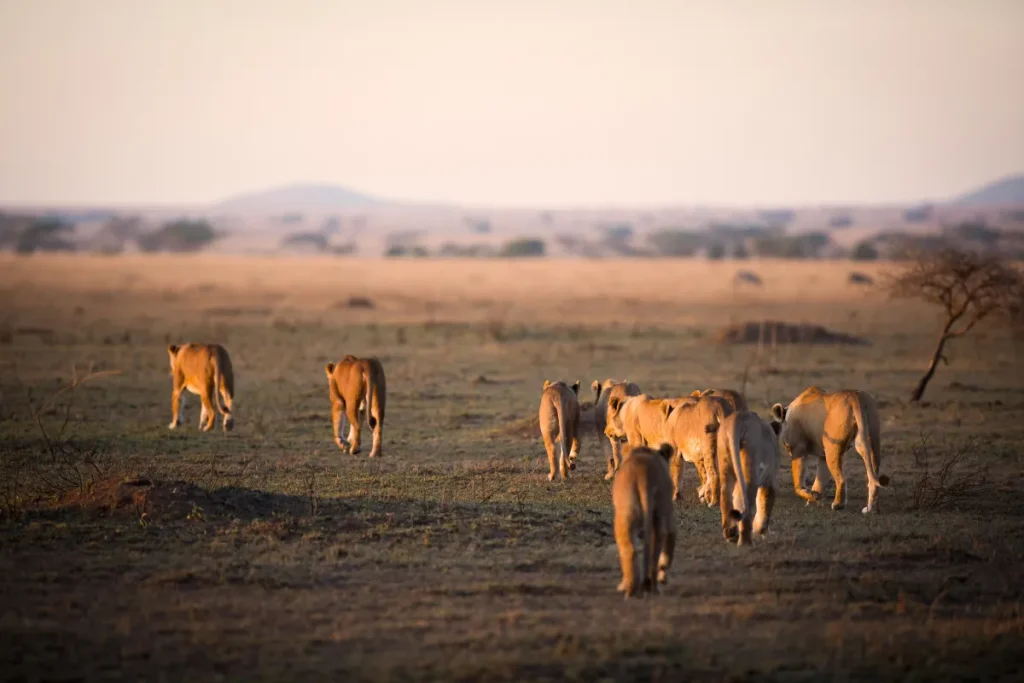 Budget 5days
Arusha → Tarangire, Serengeti, Ngorongoro Crater & Mount Kilimanjaro 5 Days Camping Safari with Kilimanjaro Day Tour
A 5-day budget camping safari through Tarangire, the Serengeti, and the Ngorongoro Crater, finishing with a guided day tour at the base of Mount Kilimanjaro, travelling privately in a 4x4 with a professional English-speaking driver-guide.
From$1,055per person
View itinerary
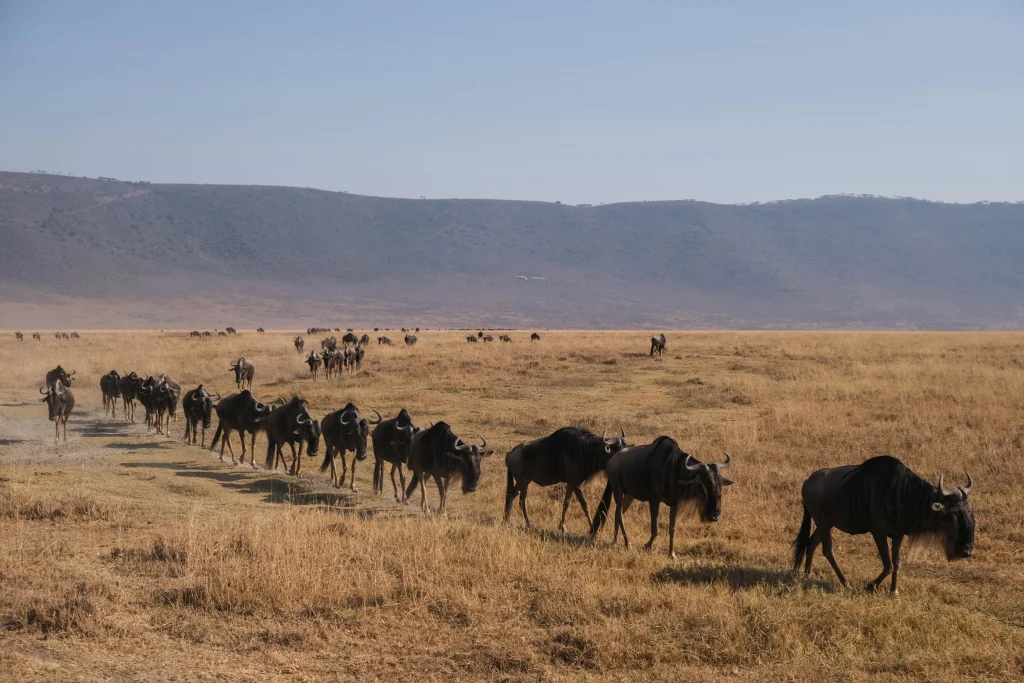 Mid-range 7days
Kilimanjaro Airport → Tarangire, Lake Manyara, Serengeti, Ngorongoro Crater & Mount Kilimanjaro → Arusha 7 Days Mid-range Safari – Tarangire, Manyara, Kilimanjaro, Serengeti & Ngorongoro
A 7-day mid-range safari through Tarangire, Lake Manyara, the Serengeti, and the Ngorongoro Crater, with a Maasai village visit and a day tour in the foothills of Mount Kilimanjaro, in a private 4x4 with a professional English-speaking driver-guide.
From$2,245per person
View itinerary
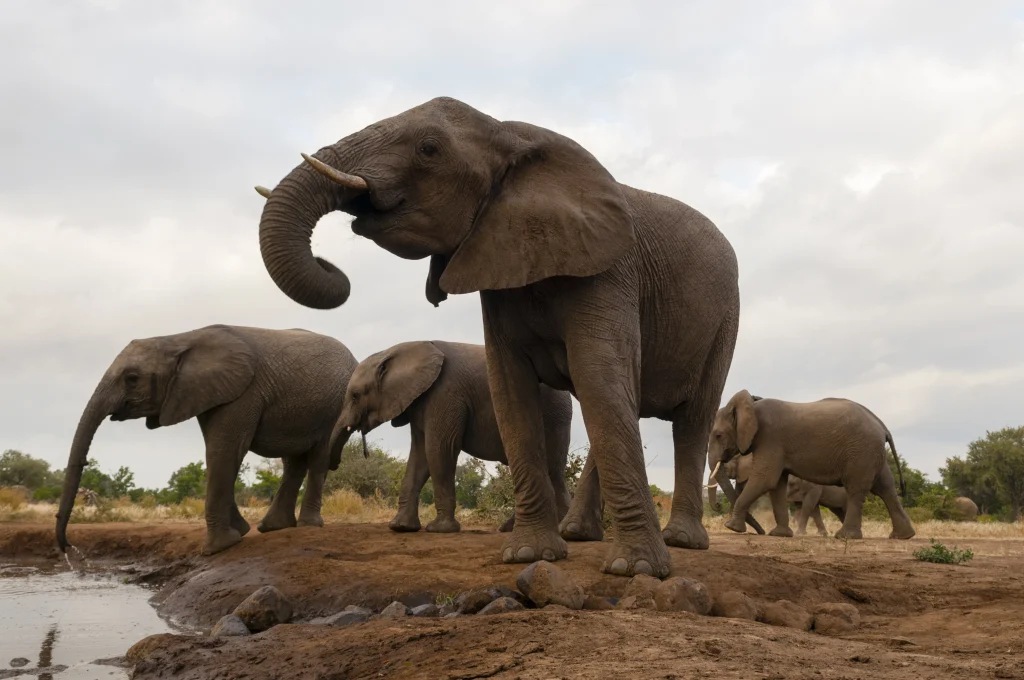 Mid-range 5days
Arusha → Tarangire, Ngorongoro Crater, Lake Manyara & Mount Kilimanjaro 5 Days Safari with Kilimanjaro Day Tour – Tarangire, Manyara & Ngorongoro
A 5-day mid-range lodge safari through Tarangire, the Ngorongoro Crater, and Lake Manyara, with a Maasai village visit and a guided Kilimanjaro day hike on the lower Marangu route - a day trip into the park, not a summit climb.
From$1,986per person
View itinerary
Camps and lodges
Chosen for where they sit. Open one to read about it.
All camps and lodgesPlaces nearby
Before you go
For most first-time climbers, Lemosho or Machame over 7 or 8 days: good scenery and good acclimatisation. Our Kilimanjaro page compares every route.
The drier months, roughly January to March and June to October. The long rains in April and May make the mountain wet and cold.
No technical skills are needed on the main routes. Good walking fitness and a route with enough days to acclimatise matter far more.
Roof of Africa
Tell us when you would like to go and how you like to travel, and we will shape a journey around Mount Kilimanjaro, with honest advice and no obligation.