Island forest
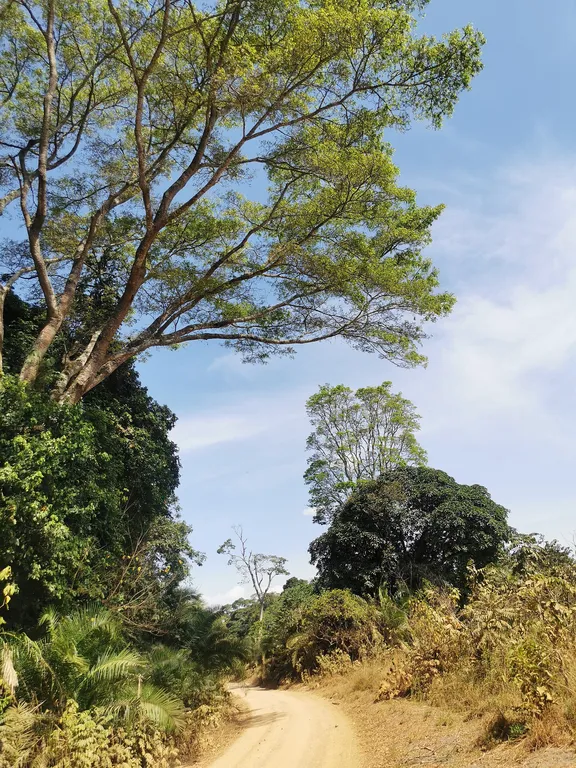
Quiet tracks through forest where chimpanzees, monkeys and forest birds live, with no cars.
A car-free forest island in Lake Victoria for chimpanzee tracking, sitatunga, fishing and birding, easily added to a Serengeti safari by air.
Why go
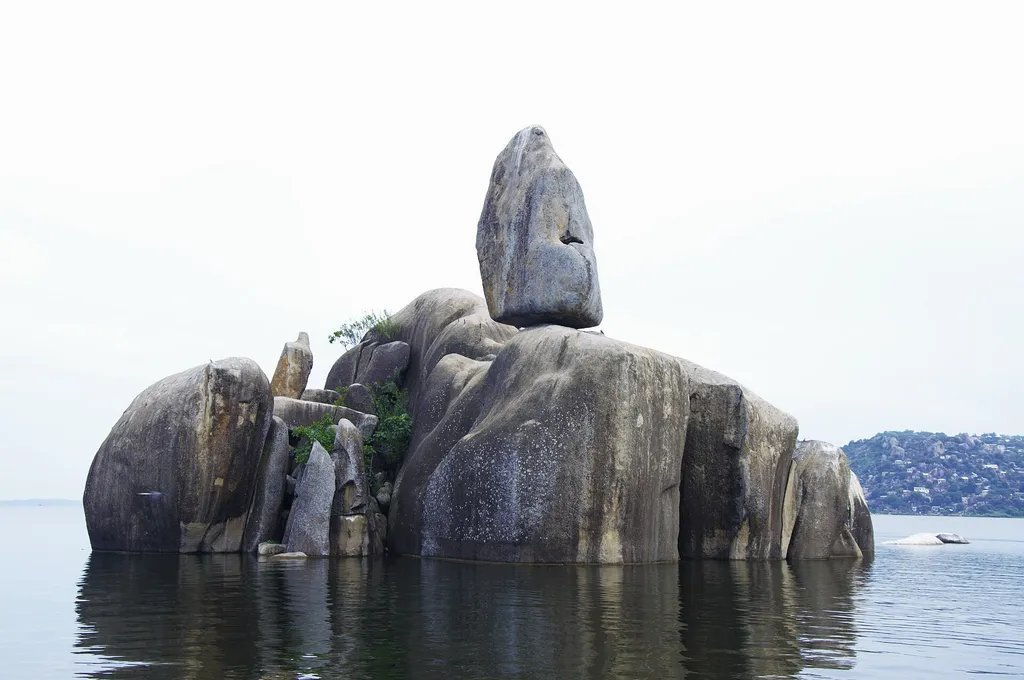
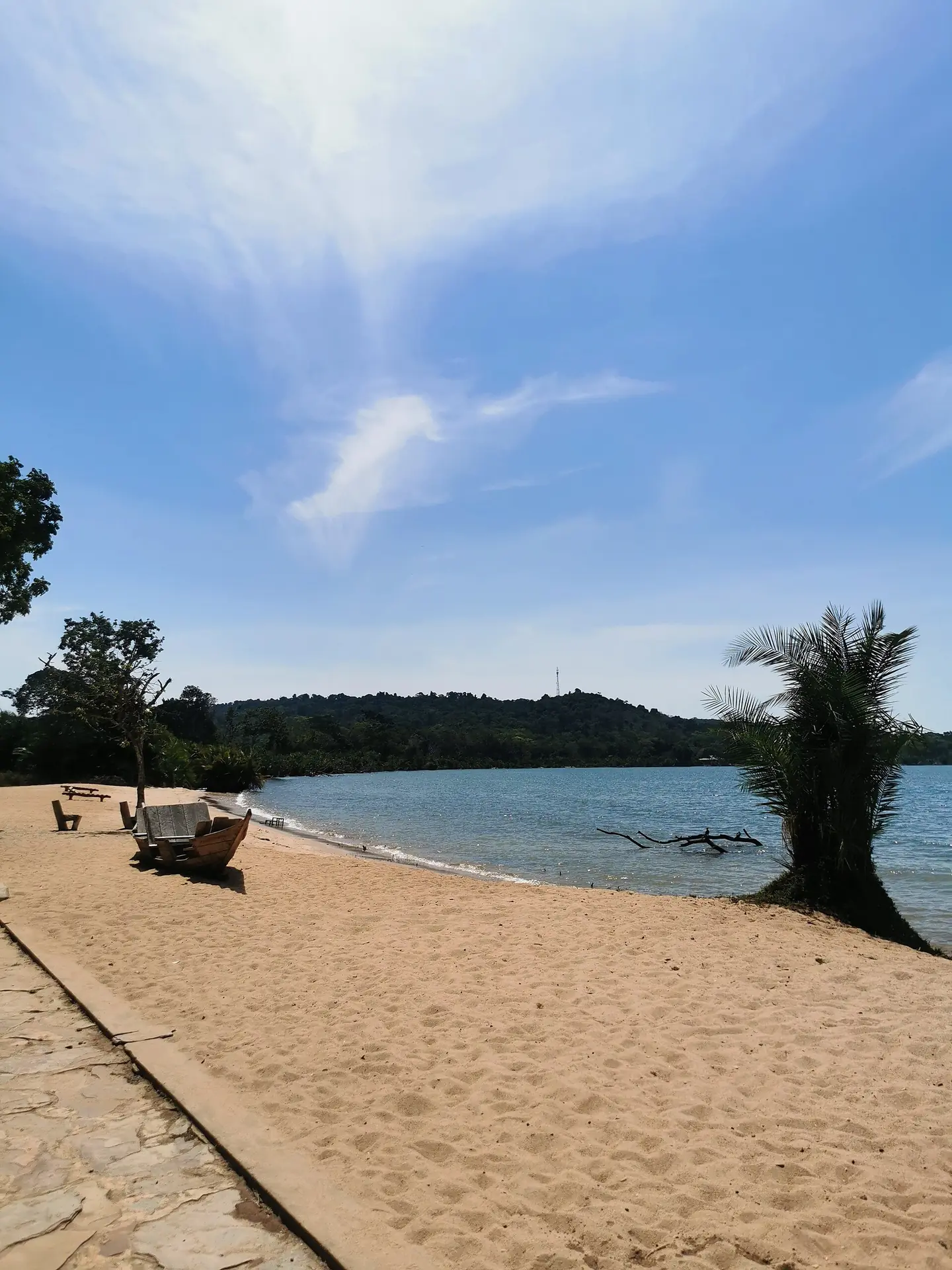
Rubondo Island National Park lies in the south-west of Lake Victoria, about 150 kilometres west of Mwanza. The park covers around 457 square kilometres, including the main island and about ten smaller islets, and most of it is forest running down to quiet beaches, papyrus and rocky shores. There are no cars and very few visitors, so the island feels peaceful and self-contained. It has been a national park since 1977.
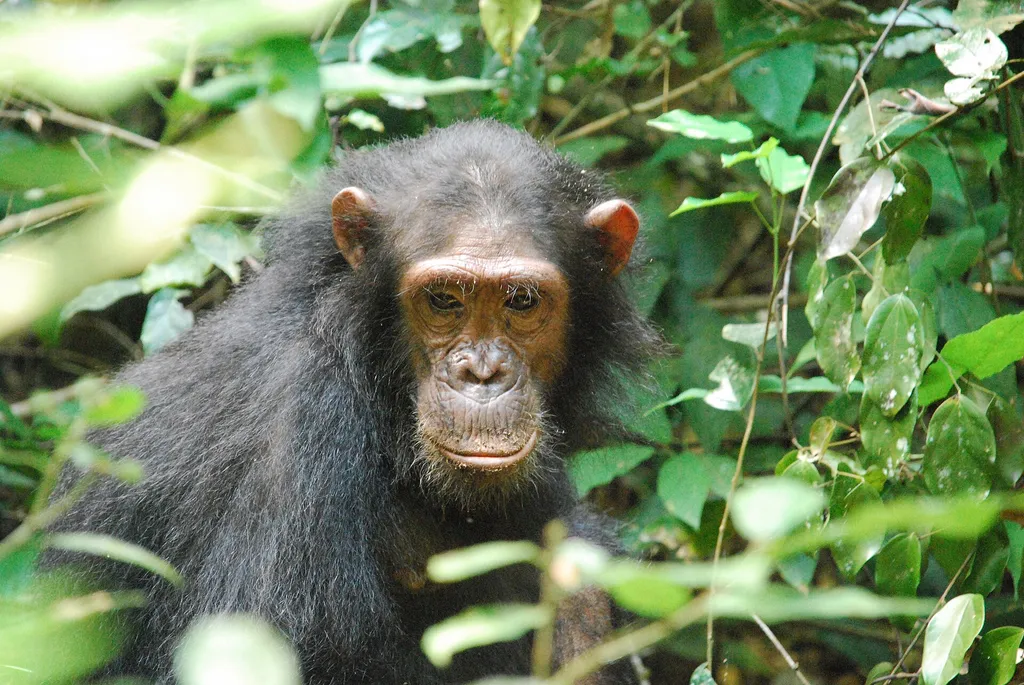
The chimpanzees here descend from a small group released by Bernhard Grzimek in the 1960s, and they have been habituated for visitors since 2016; tracking them is a walk through the forest, and sightings are never guaranteed. Sitatunga, the shy swamp antelope, are native to the island, while elephants and giraffe were introduced. Forest and lake birds are everywhere, from the shoreline to the canopy. Wildflowers such as gloriosa and fireball lilies appear from mid-November, and migrant birds arrive from December to February.
Days are split between chimp tracking, forest walks, boat trips and catch-and-release fishing for Nile perch. June to October is the driest time. Bring long clothing and insect repellent for the forest. Light aircraft fly to the island from the Serengeti and via Mwanza, which is the simplest way from Arusha; by road from Mwanza to Nkome takes 3 to 5 hours, then a pre-booked park boat for 1 to 1.5 hours. Allow two or three nights in the island's small, simple accommodation.
Highlights
Quiet tracks through forest where chimpanzees, monkeys and forest birds live, with no cars.
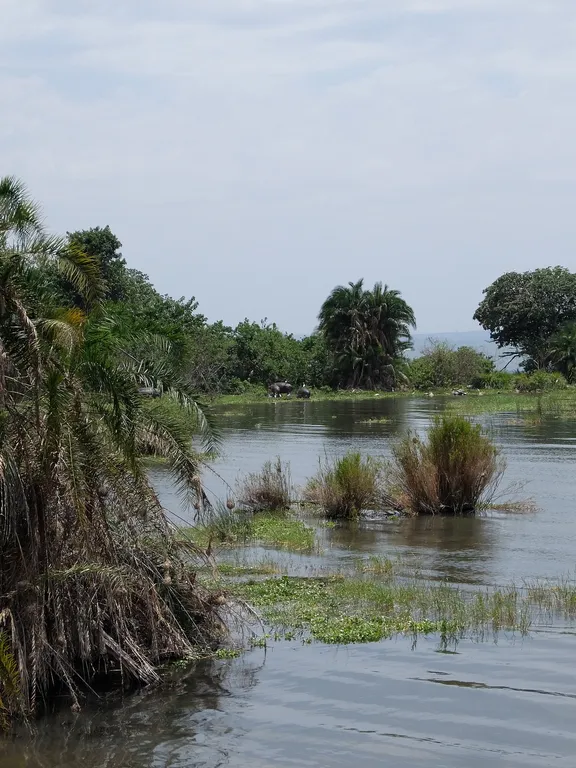
The shy swamp antelope of the island's papyrus edges.
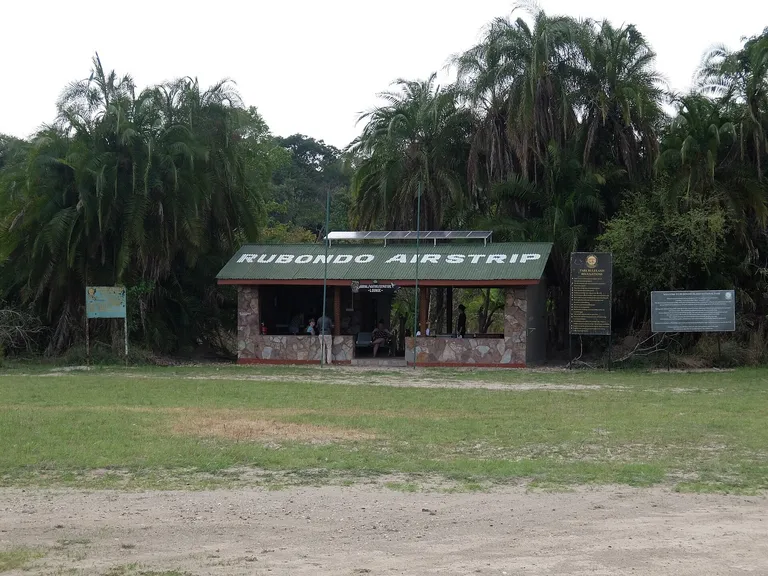
Reach it by light aircraft or the park boat; there is no other traffic on the island.
The best months
June to October; wildflowers from mid-November; migrant birds December to February.
Tanzania weatherGood to know
By light aircraft from the Serengeti or via Mwanza. By road, Mwanza to Nkome takes 3 to 5 hours, then a pre-booked park boat for 1 to 1.5 hours.
Two or three nights, to allow for chimp tracking, a boat trip and some fishing or birding.
Travellers who want chimpanzees and quiet after a Serengeti safari, anglers and birders.
Gallery
Before you go
Yes. They descend from chimps released in the 1960s and have been habituated for visitors since 2016. Tracking them is a forest walk, and sightings are never guaranteed.
By light-aircraft flight, which makes Rubondo an easy add-on at the end of a northern safari. We book it with the rest of your journey.
June to October, the driest months. Wildflowers appear from mid-November, and migrant birds arrive from December to February.
Island Wilderness
Tell us when you would like to go and how you like to travel, and we will shape a journey around Rubondo Island National Park, with honest advice and no obligation.