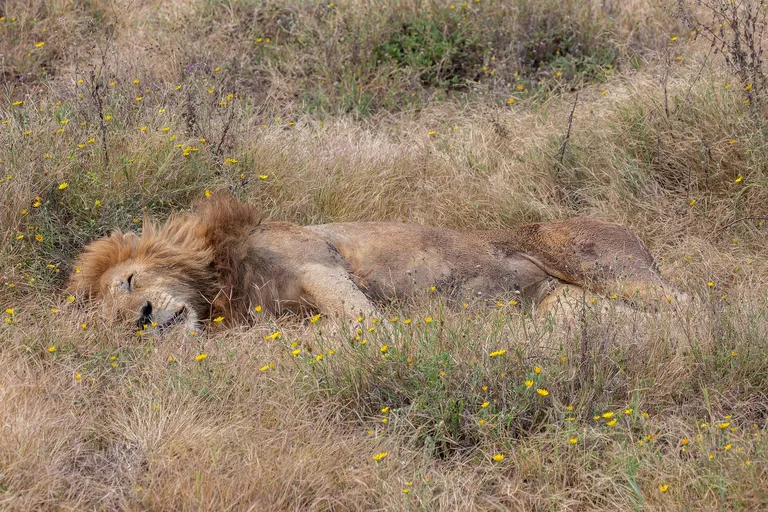
Big Five in one day
One of the few places you can see all of the Big Five together.
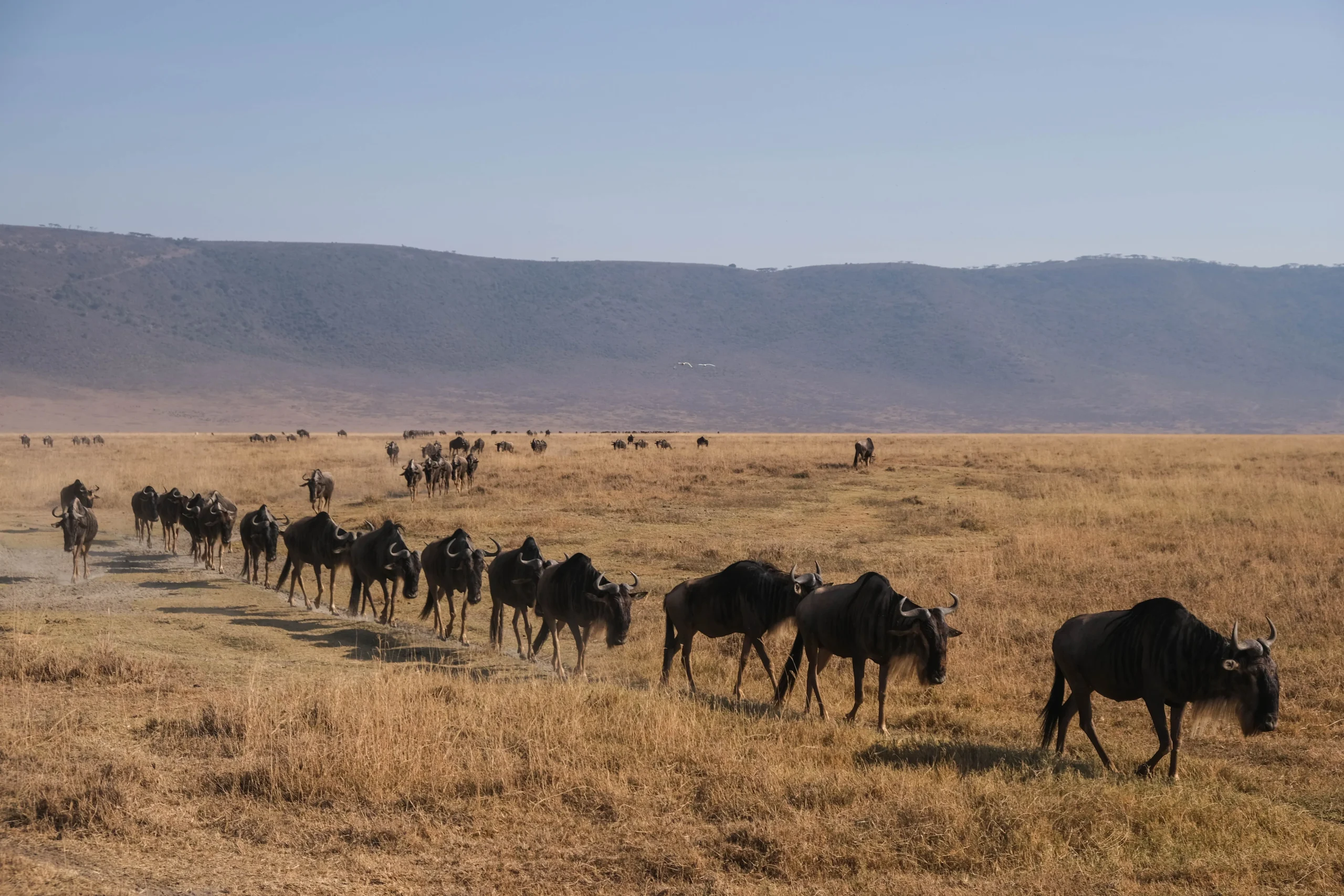
A collapsed caldera cradling 25,000 animals within its walls.
Why go
The Ngorongoro Crater is a breathtaking global wonder, standing as the world's largest intact, unfilled volcanic caldera and a protected UNESCO World Heritage Site. The eco-landscape is a self-contained Eden, featuring a 600-meter-deep rock wall that encloses a diverse interior floor filled with open grasslands, acacia forests, swamps, and a central alkaline lake. This unique geographical bowl creates a highly concentrated ecosystem where over 25,000 large mammals live year-round within a compact, easily explorable space.
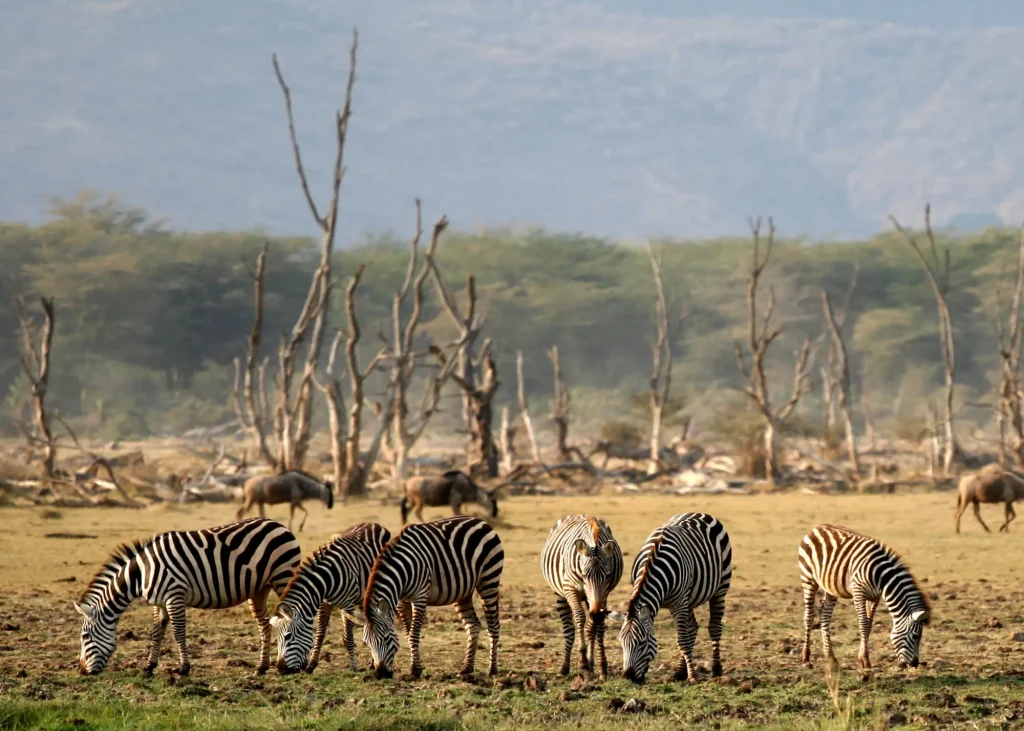
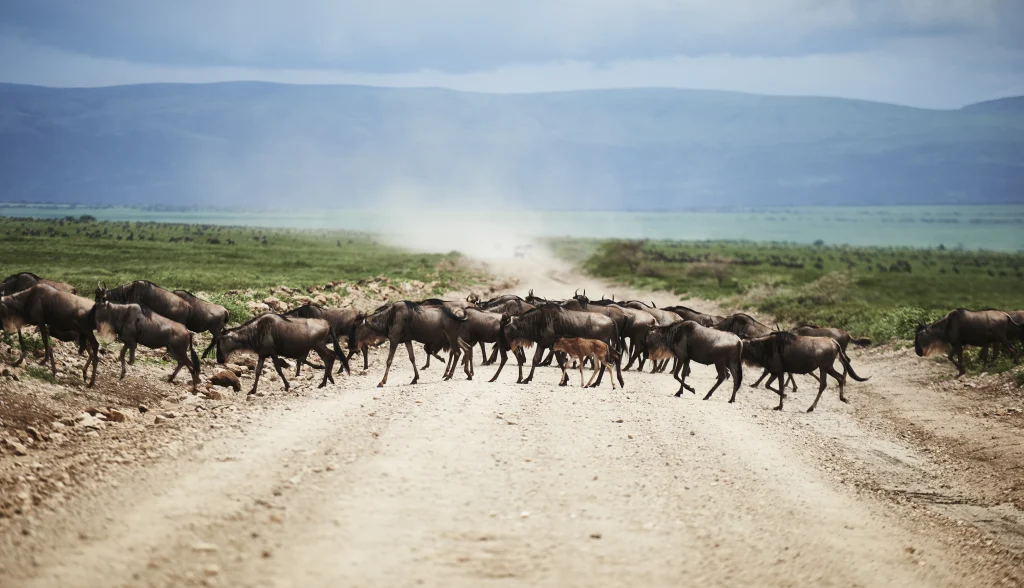
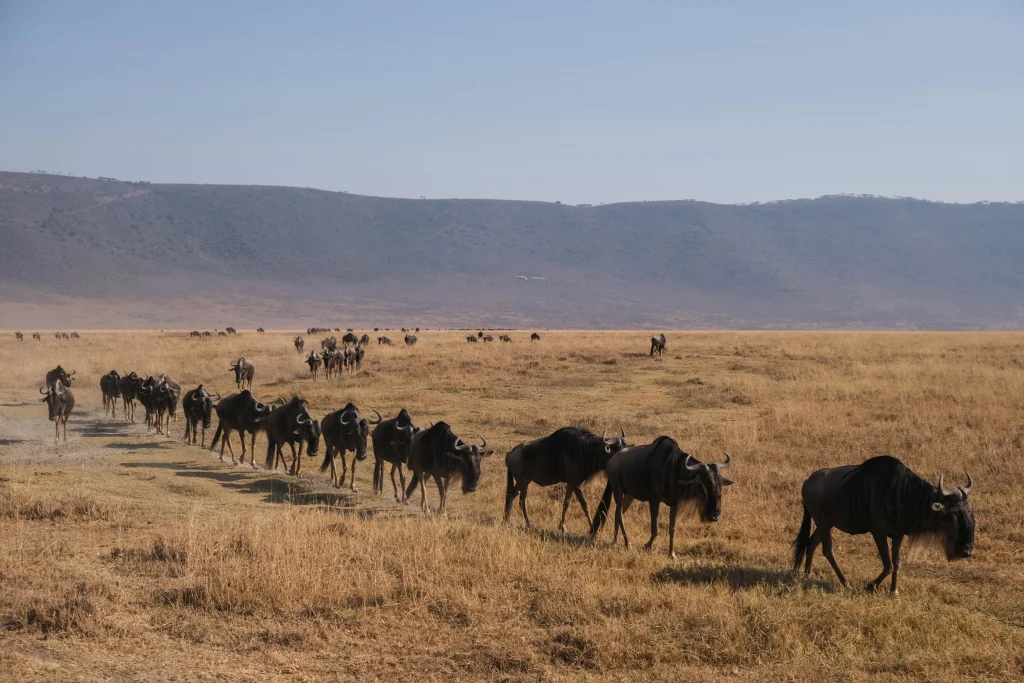
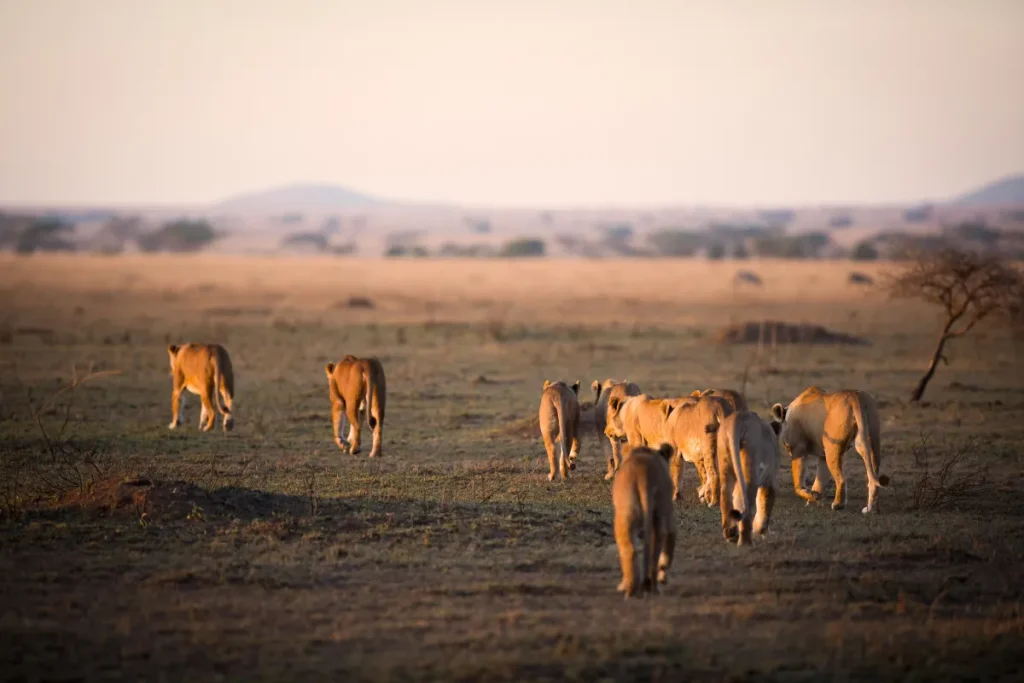
The crater floor offers one of the absolute best opportunities in Africa to view the endangered Black Rhino roaming in its natural habitat. The resident wildlife population is incredibly dense, featuring prominent prides of black-maned lions, massive bull elephants, spotted hyenas, and vast herds of wildebeest, zebras, and gazelles. Due to the rich grazing land and constant water supply, the animals have no need to migrate, resulting in world-class big-game viewings across all seasons.
Activities are strictly regulated, consisting of half-day or full-day game drive descents down the steep, single-track volcanic walls into the caldera floor. Logistics involve a scenic drive up through the cool, misty montane forest of the crater rim, which requires specialized 4x4 safari vehicles and official park permits. Accommodations are legendary, featuring ultra-luxury stone lodges built directly along the crater rim to offer panoramic, bird's-eye views of the landscape below.
Highlights
One of the few places you can see all of the Big Five together.
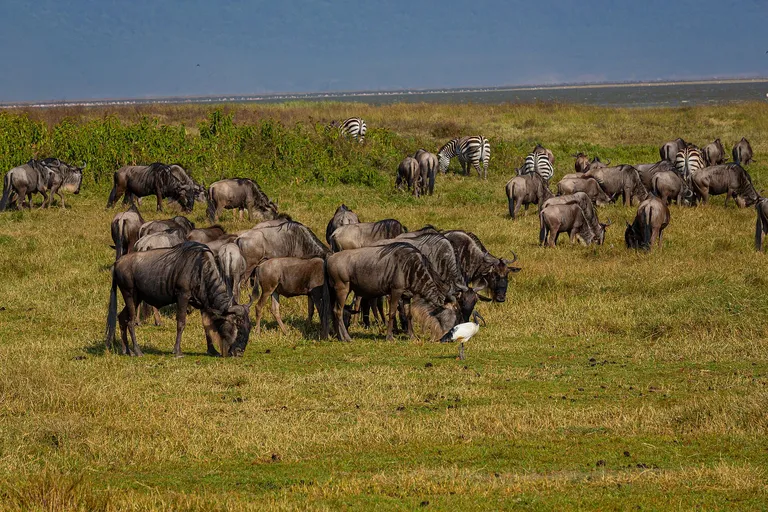
A rare stronghold for the critically endangered black rhino.
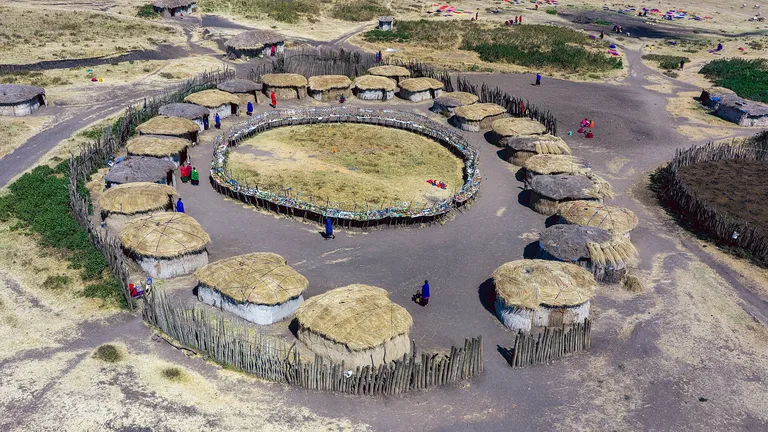
Traditional Maasai communities graze cattle along the crater rim.
The best months
Year-round; June to October is the driest.
Tanzania weatherOur picks for Ngorongoro CraterOther months
Good to know
By road from Arusha, about 3 to 4 hours to the crater rim on a good tarmac road through Mto wa Mbu and Karatu. Most journeys pass here between Tarangire and the Serengeti.
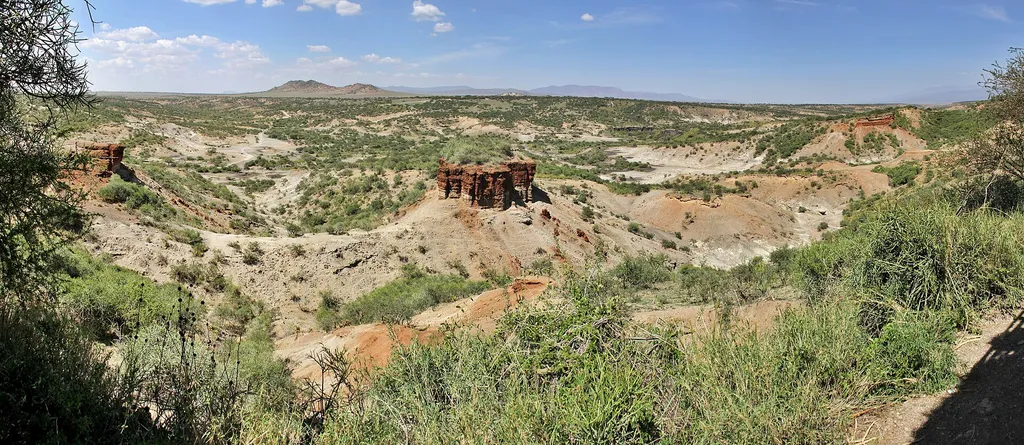
One full day on the crater floor, with a night on the rim or in Karatu before it. Add a second day to explore the wider highlands, Olduvai Gorge or Lake Eyasi.
Everyone, especially travellers short on time: few places pack so much wildlife into so small an area.
Park fee, approximately
$70.80 per adult, per 24 hours (VAT included)
$23.60 for children aged 5 to 15, under 5 free.
A crater descent adds a service fee of $295 per vehicle.
Non-resident rates. Source: Ngorongoro Conservation Area Authority tariffs, checked 20 October 2026. Fees change; where a journey includes park fees, we quote the current ones.
Gallery
Go there
 Budget 4days
Arusha → Tarangire, Serengeti & Ngorongoro Crater 4 Days Budget Camping Safari – Tarangire, Serengeti & Ngorongoro
The classic Northern Circuit on a budget. Four days of private 4x4 game drives through Tarangire, the Serengeti and the Ngorongoro Crater, with full-board tented camping.
From$925per person
View itinerary
 Budget 5days
Arusha → Tarangire, Serengeti, Ngorongoro Crater & Lake Manyara 5 Days Budget Camping Safari – Tarangire, Serengeti, Ngorongoro & Lake Manyara
A 5-day budget camping safari through Tarangire, the Serengeti, Ngorongoro Crater, and Lake Manyara, with private 4x4 game drives, a professional English-speaking driver-guide, and full-board tented camping.
From$1,250per person
View itinerary
 Budget 5days
Arusha → Tarangire, Serengeti, Ngorongoro Crater & Mount Kilimanjaro 5 Days Camping Safari with Kilimanjaro Day Tour
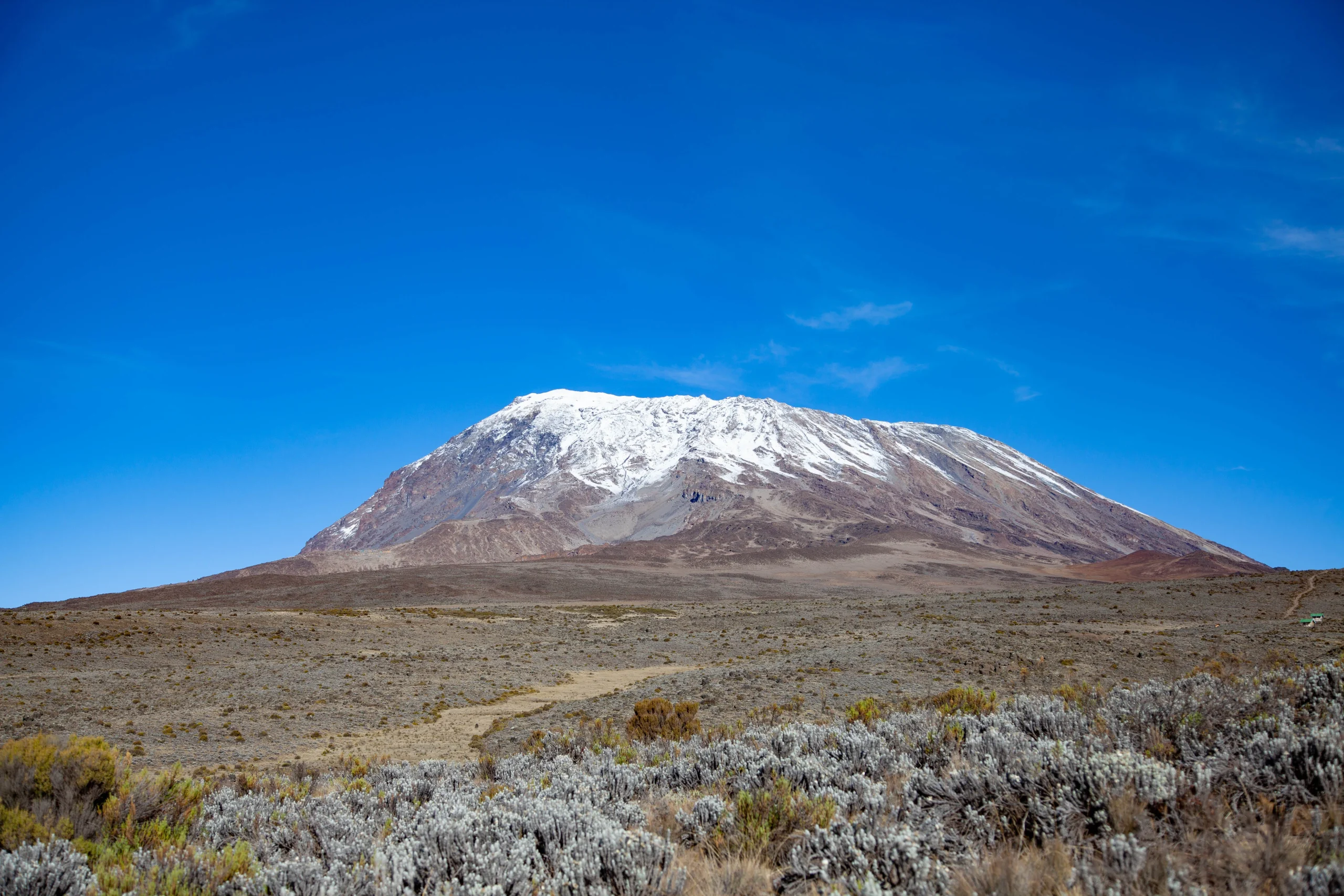
A 5-day budget camping safari through Tarangire, the Serengeti, and the Ngorongoro Crater, finishing with a guided day tour at the base of Mount Kilimanjaro, travelling privately in a 4x4 with a professional English-speaking driver-guide.
From$1,055per person
View itinerary
Camps and lodges
Chosen for where they sit. Open one to read about it.
All camps and lodgesPlaces nearby
Before you go
Vehicles are limited in how long they may spend on the crater floor each visit, so we go down early and plan the day to make the most of it.
On the rim if you want to be first down in the morning and do not mind the cold nights; in Karatu, 30 to 45 minutes away, for gardens, pools and lower prices.
Often, though never guaranteed. A small population of black rhino lives on the crater floor, usually seen at a distance in the open grassland.
UNESCO Site
Tell us when you would like to go and how you like to travel, and we will shape a journey around Ngorongoro Crater, with honest advice and no obligation.