Where Zinj was found
Mary Leakey's 1959 discovery of a 1.75-million-year-old skull changed how we date our own past.
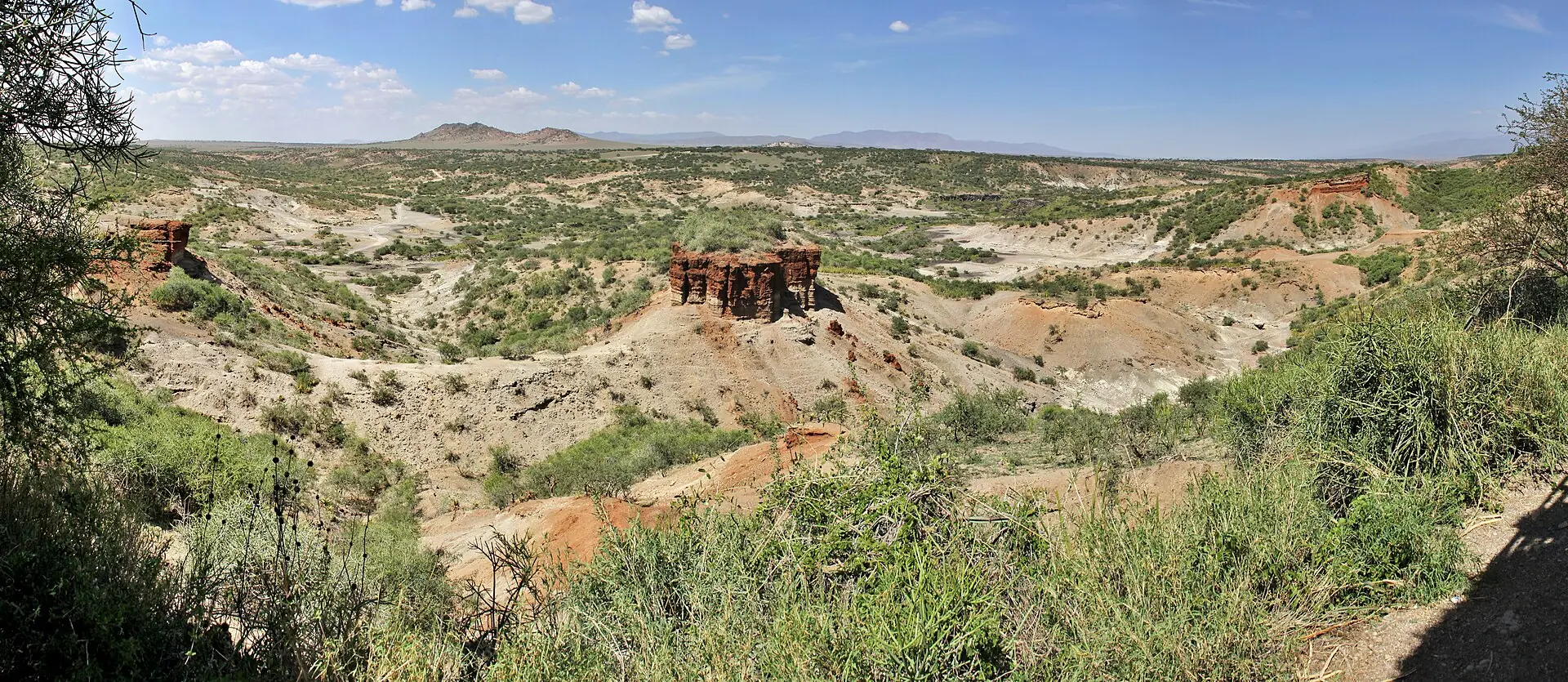
The gorge where Mary Leakey found a 1.75-million-year-old skull, with a museum and rim talk on the road between Ngorongoro and the Serengeti.
Why go
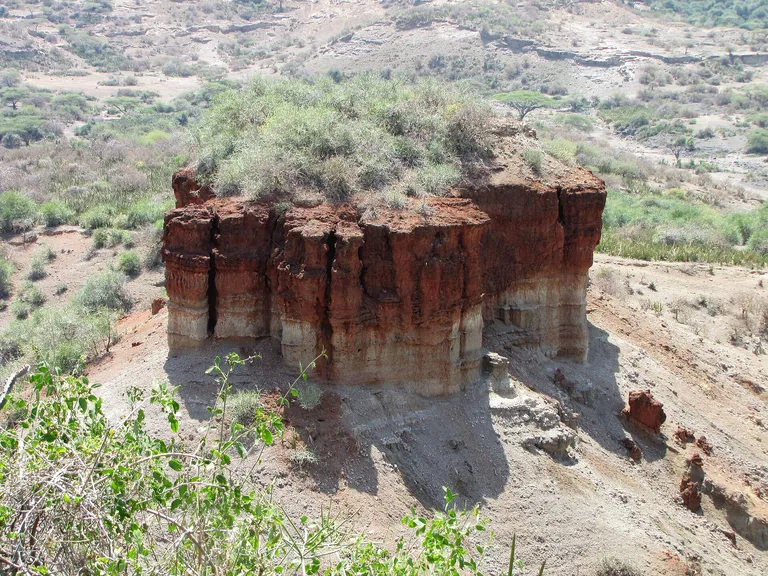
Olduvai Gorge cuts through the plains of the Ngorongoro Conservation Area for about 48 kilometres and drops up to 90 metres in places. Locally it is Oldupai, the Maasai word for the wild sisal that grows here; Olduvai is a misspelling from 1911, and you will see both. From the rim it looks like a quiet valley, but its walls of ash and old lake beds record close to two million years of the human story.
In 1959 Mary Leakey found the skull known as Zinjanthropus, now Paranthropus boisei, about 1.75 million years old. Remains of Homo habilis followed from 1960, along with the simple Oldowan stone tools named after the gorge. The museum, in a newer building opened around 2018, shows many of these finds as casts, including a cast of the Laetoli footprints, made 3.6 million years ago about 45 kilometres away. Nearby, the Shifting Sands is a black ash dune that creeps slowly across the plains.
A visit usually takes a few hours: the museum, a talk at the rim overlooking the excavations and, if you like, a guided walk down to the dig sites. The gorge sits just off the road between Ngorongoro and the Serengeti, so it fits easily into a northern safari in your private vehicle. Most travellers stay at lodges on the crater rim or in the southern Serengeti, and from December to March you can pair it with calving season at Ndutu.
Highlights
Mary Leakey's 1959 discovery of a 1.75-million-year-old skull changed how we date our own past.
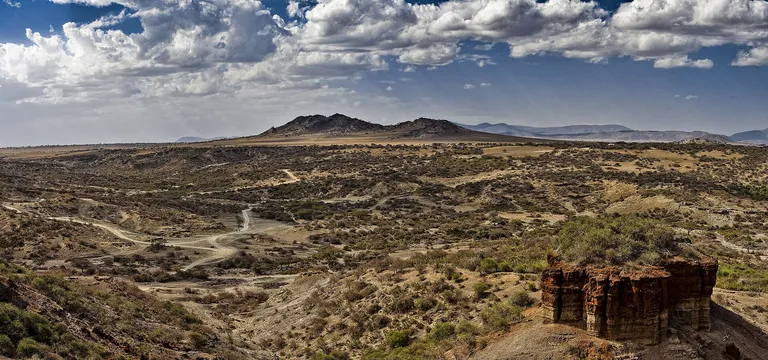
Casts of famous finds, stone tools and the Laetoli footprints, with a talk at the gorge rim.
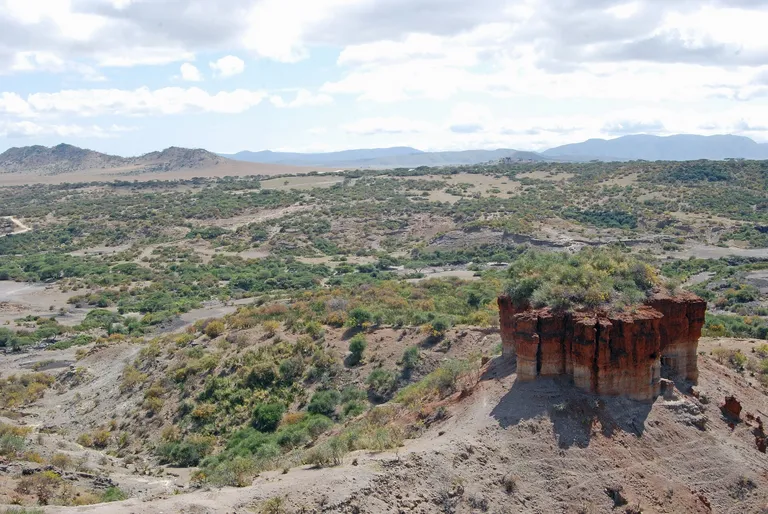
Ash and old lake beds stacked in the gorge walls record close to two million years.
The best months
Year-round; December to March pairs it with the calving season at Ndutu.
Tanzania weatherGood to know
By road from Arusha, about 4 to 5 hours. The turn-off is on the road between the Ngorongoro Crater and the Serengeti, so most travellers stop on the way through.
Two to three hours for the museum and the rim talk; half a day if you add the dig sites and the Shifting Sands.
Anyone curious about human origins, families with older children and travellers who want a break from game drives.
Park fee, approximately
$70.80 per adult, per 24 hours (VAT included)
$23.60 for children aged 5 to 15, under 5 free.
A crater descent adds a service fee of $295 per vehicle.
Non-resident rates. Source: Ngorongoro Conservation Area Authority tariffs, checked 20 October 2026. Fees change; where a journey includes park fees, we quote the current ones.
Gallery
Places nearby
Before you go
Both are used. Oldupai is the Maasai name for the wild sisal that grows here; Olduvai is a misspelling from 1911 that stuck.
Yes, if you are passing between Ngorongoro and the Serengeti. It takes only a few hours and adds the story of human evolution to a wildlife safari.
Many exhibits in the museum are casts of the original finds, which are held elsewhere for safekeeping. The gorge and the dig sites themselves are the real thing.
Cradle of Humankind
Tell us when you would like to go and how you like to travel, and we will shape a journey around Olduvai Gorge, with honest advice and no obligation.