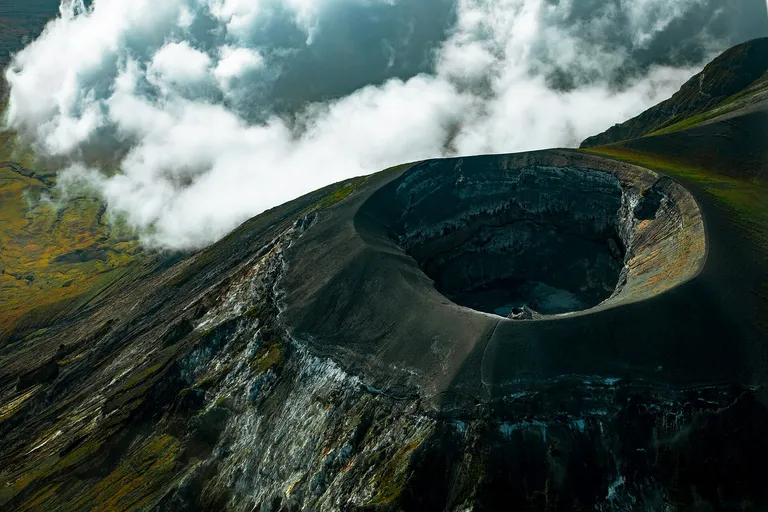
Climb to the crater
A steep night ascent that reaches the crater rim around sunrise, high above the Rift Valley.
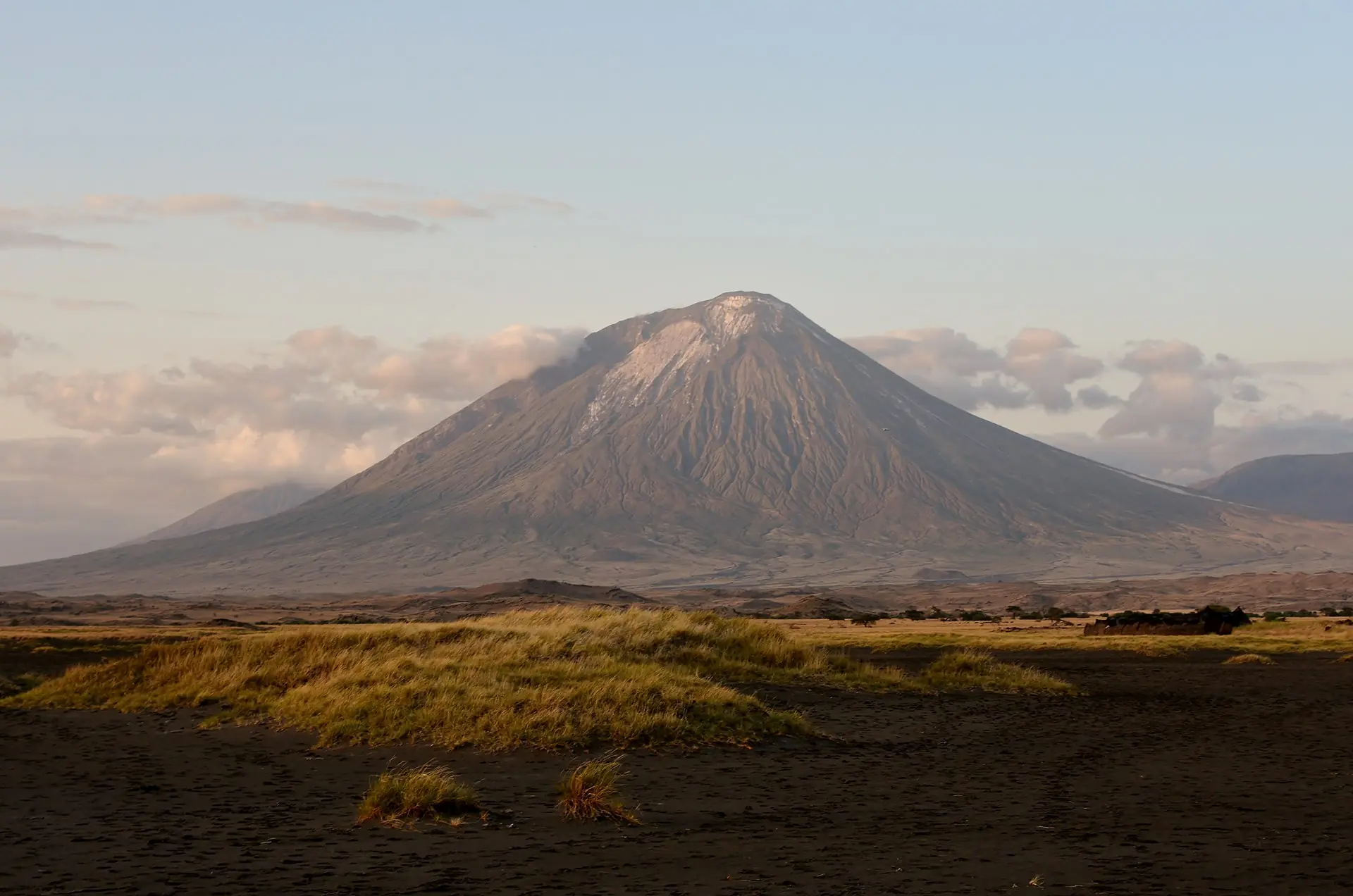
The Maasai Mountain of God, a steep active volcano above Lake Natron that you climb by night to reach the crater rim at sunrise.
Why go
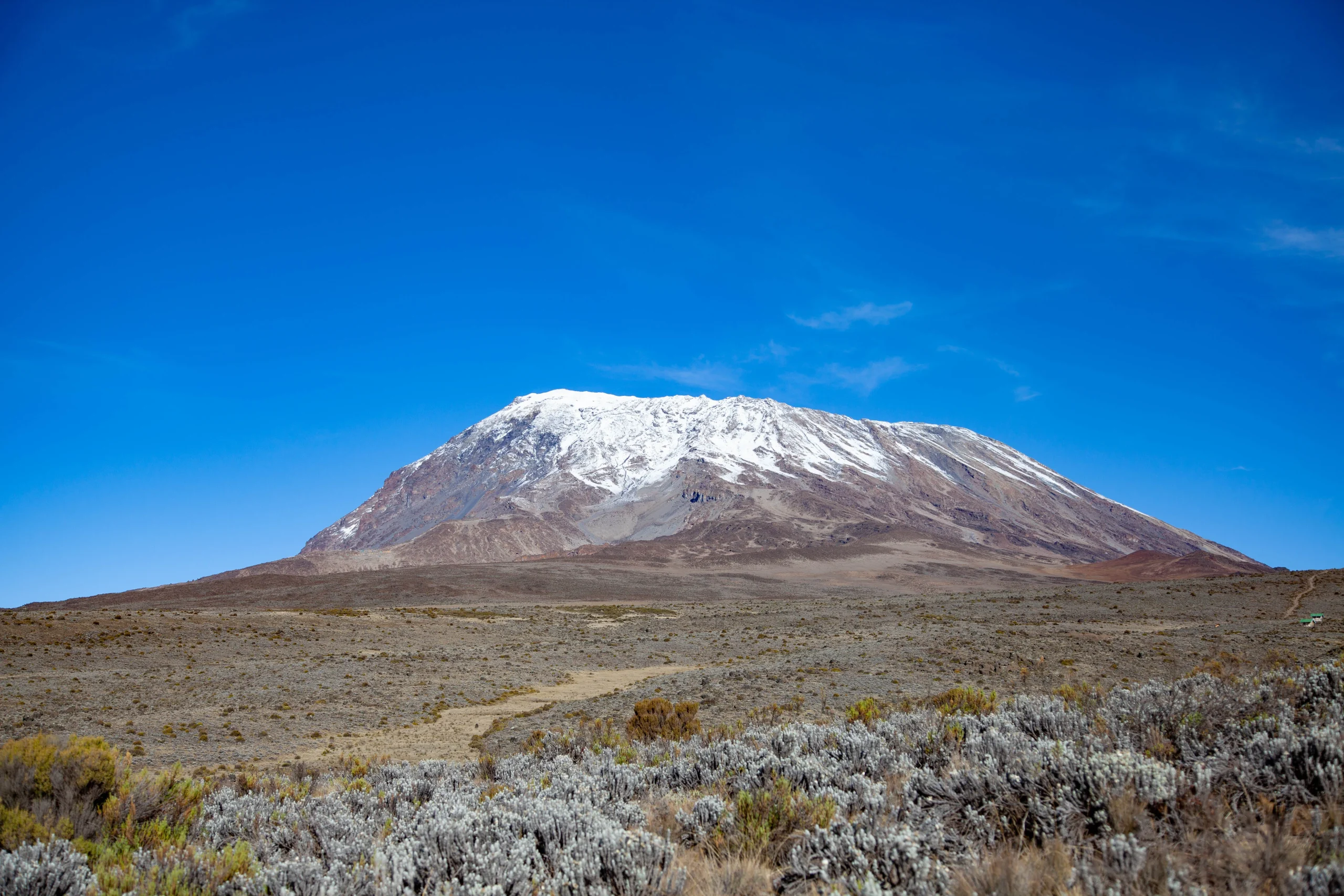
Ol Doinyo Lengai rises in a near-perfect cone from the floor of the Rift Valley, 16 kilometres south of Lake Natron and close to the village of Engaresero. The Maasai call it the Mountain of God, and it still feels like holy ground: bare grey slopes, deep gullies cut by the rain and a summit of about 2,960 metres that changes as the cone grows. Nothing else in northern Tanzania looks quite like it.
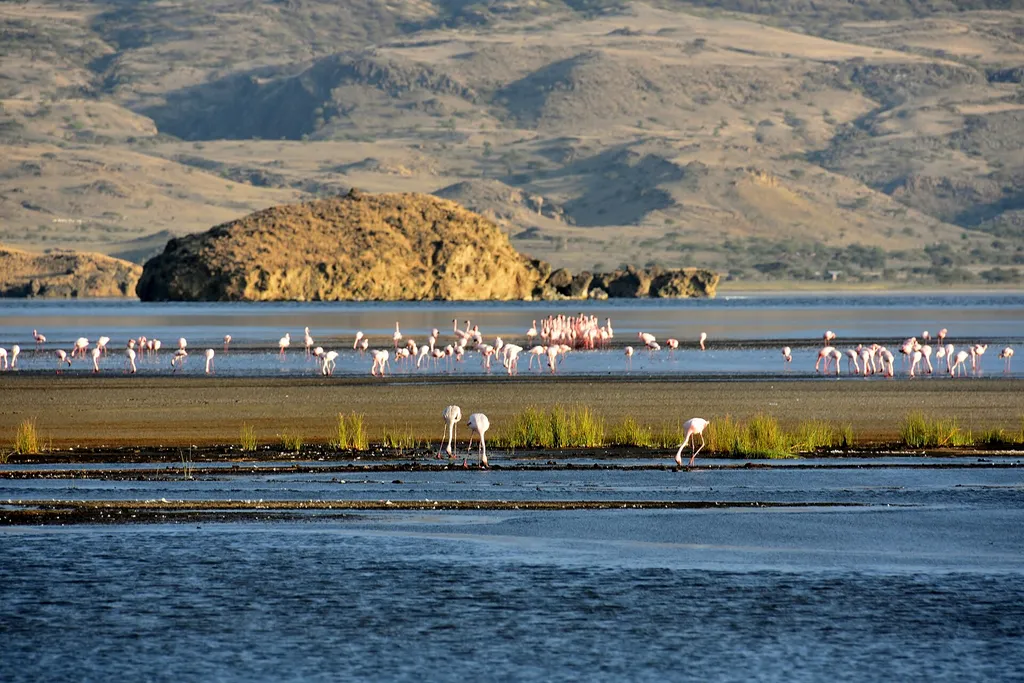
It is the only volcano known to erupt natrocarbonatite, the coldest and most fluid lava known, flowing at around 540 to 590 °C. The flows come out black and turn white as they cool, which is why the peak often looks snow-capped from a distance. The last big explosive eruption was in 2007 and 2008; since then activity in the crater has been low-level. From the rim you look north to Lake Natron, where lesser flamingos breed, and across the escarpments of the Rift.
The climb starts around midnight so that you reach the rim near sunrise, about five to six hours up on very steep, loose ash, and three to four hours down. The descent is the hardest part, and you climb with an experienced local guide. Most travellers stay two or three nights at simple camps and lodges around Engaresero and pair the climb with Lake Natron, the Ngare Sero waterfall gorge and the ruins at Engaruka.
Highlights
A steep night ascent that reaches the crater rim around sunrise, high above the Rift Valley.
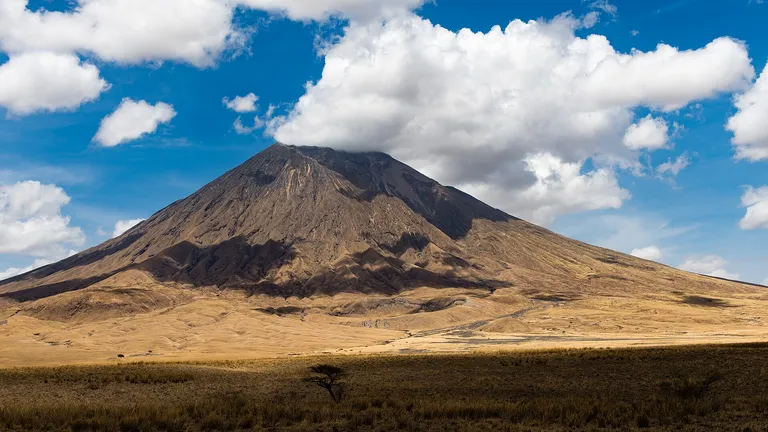
The only volcano known to erupt natrocarbonatite, a black lava that turns white as it cools.
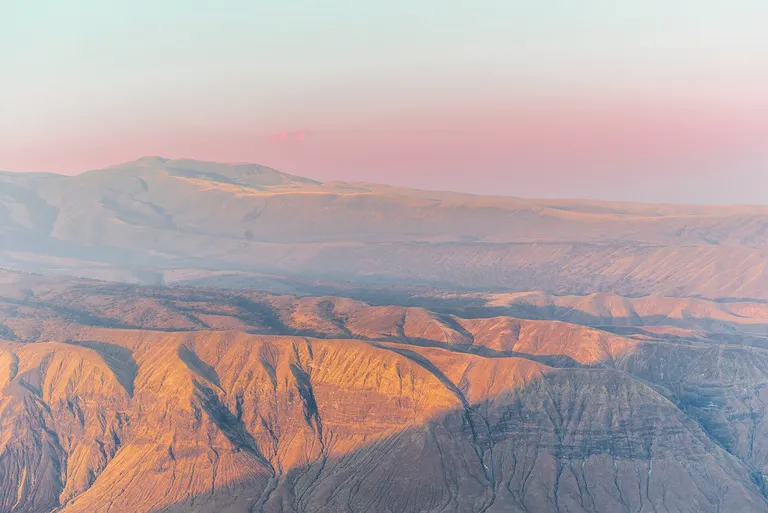
Views north to the soda lake where lesser flamingos breed.
The best months
June to October and December to February, avoiding the April and May rains.
Tanzania weatherGood to know
By road from Arusha, about 5 to 7 hours to Engaresero via Mto wa Mbu, the last 120 kilometres or so on gravel. Most journeys combine it with Lake Natron.
Two or three nights around Engaresero: one to rest before the climb, one to recover after it, with time for the waterfall and the flamingos.
Very fit walkers who are comfortable on steep, loose ground and happy to start in the middle of the night.
Gallery
Places nearby
Before you go
Very. It is a steep, relentless climb on loose ash, about five to six hours up and three to four hours down, and the descent is the hardest part. You need good fitness and a local guide.
June to October and December to February. Avoid April and May, when rain makes the ash slopes dangerous.
Yes. Its last big explosive eruption was in 2007 and 2008, and the crater has shown low-level activity since. Your guide checks conditions before every climb.
Mountain of God
Tell us when you would like to go and how you like to travel, and we will shape a journey around Ol Doinyo Lengai, with honest advice and no obligation.