Wildebeest calving
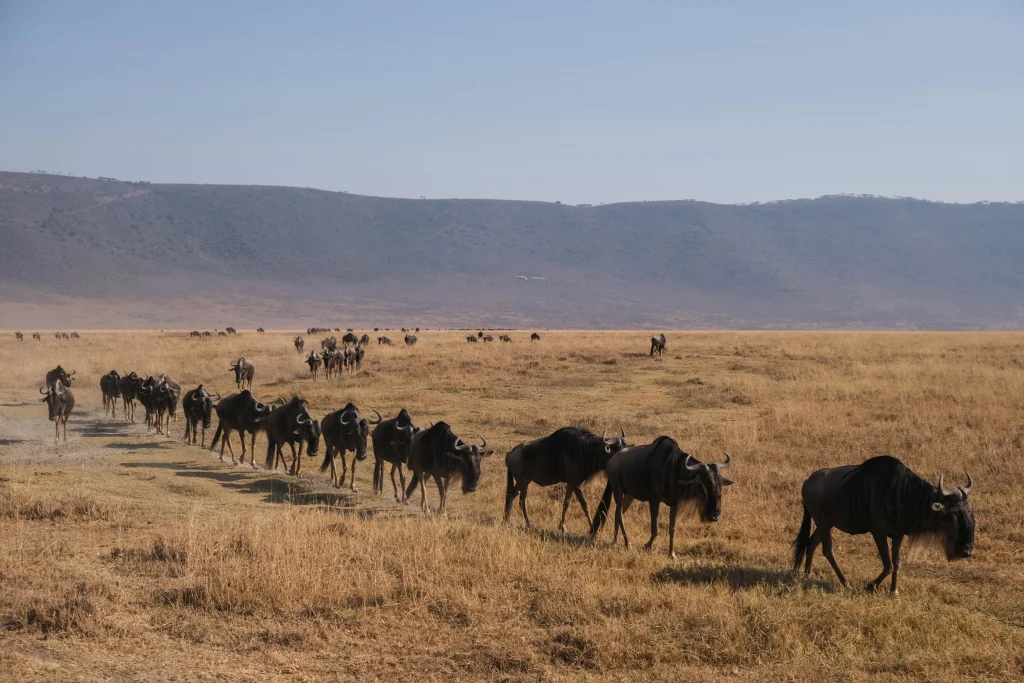
Up to half a million calves are born on the Ndutu plains in a matter of weeks.
The wild calving grounds where the Great Migration begins each year.
Why go
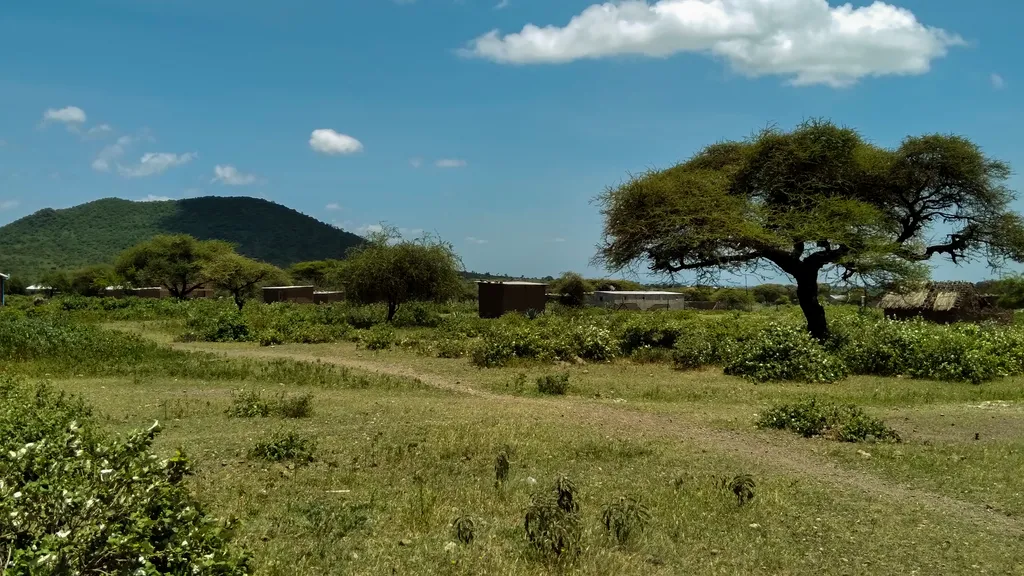
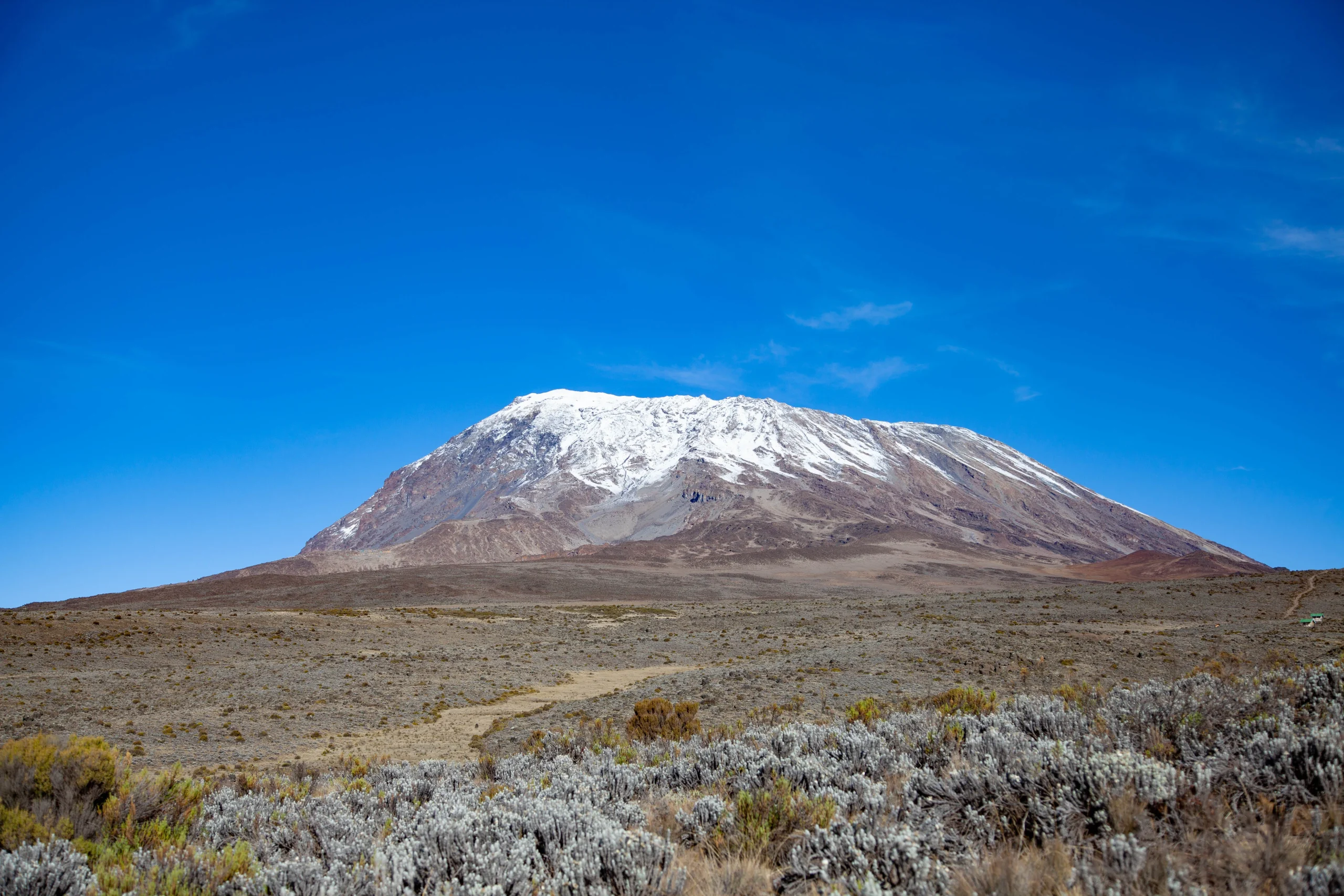
Ndutu is a vital wildlife region positioned on the southern edge of the Serengeti ecosystem, straddling the unfenced border of the Ngorongoro Conservation Area. The eco-landscape consists of open acacia woodlands, vast short-grass plains, and two shallow alkaline lakes, Lake Ndutu and Lake Masek. This unique geographic basin acts as a natural gathering point where the volcanic soils produce highly nutritious grasses that fuel the most critical phase of the northern circuit wildlife calendar.
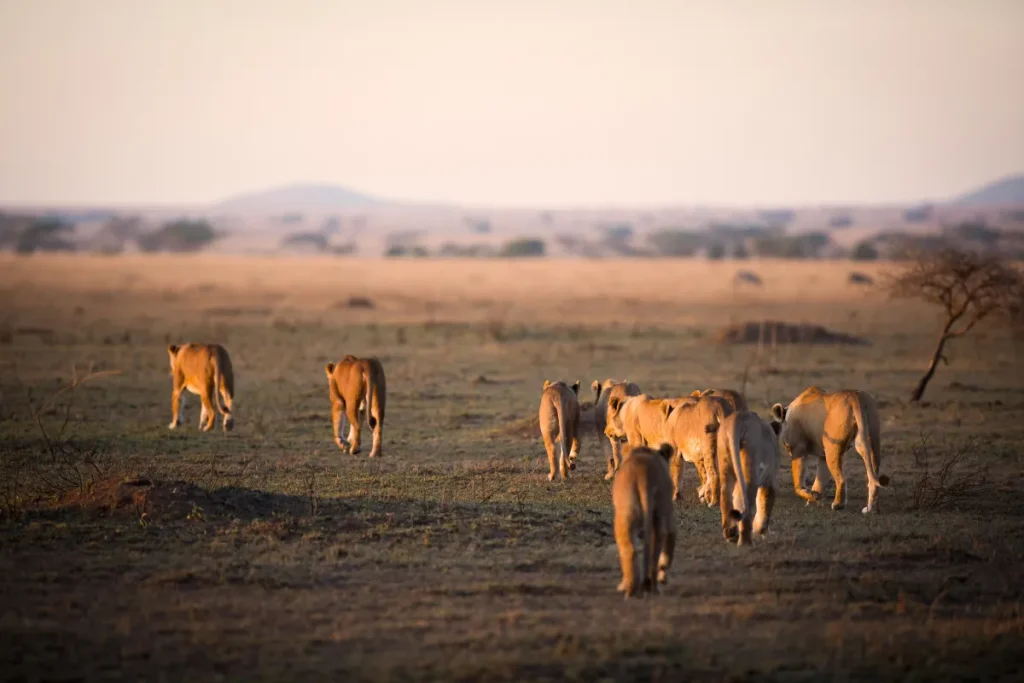
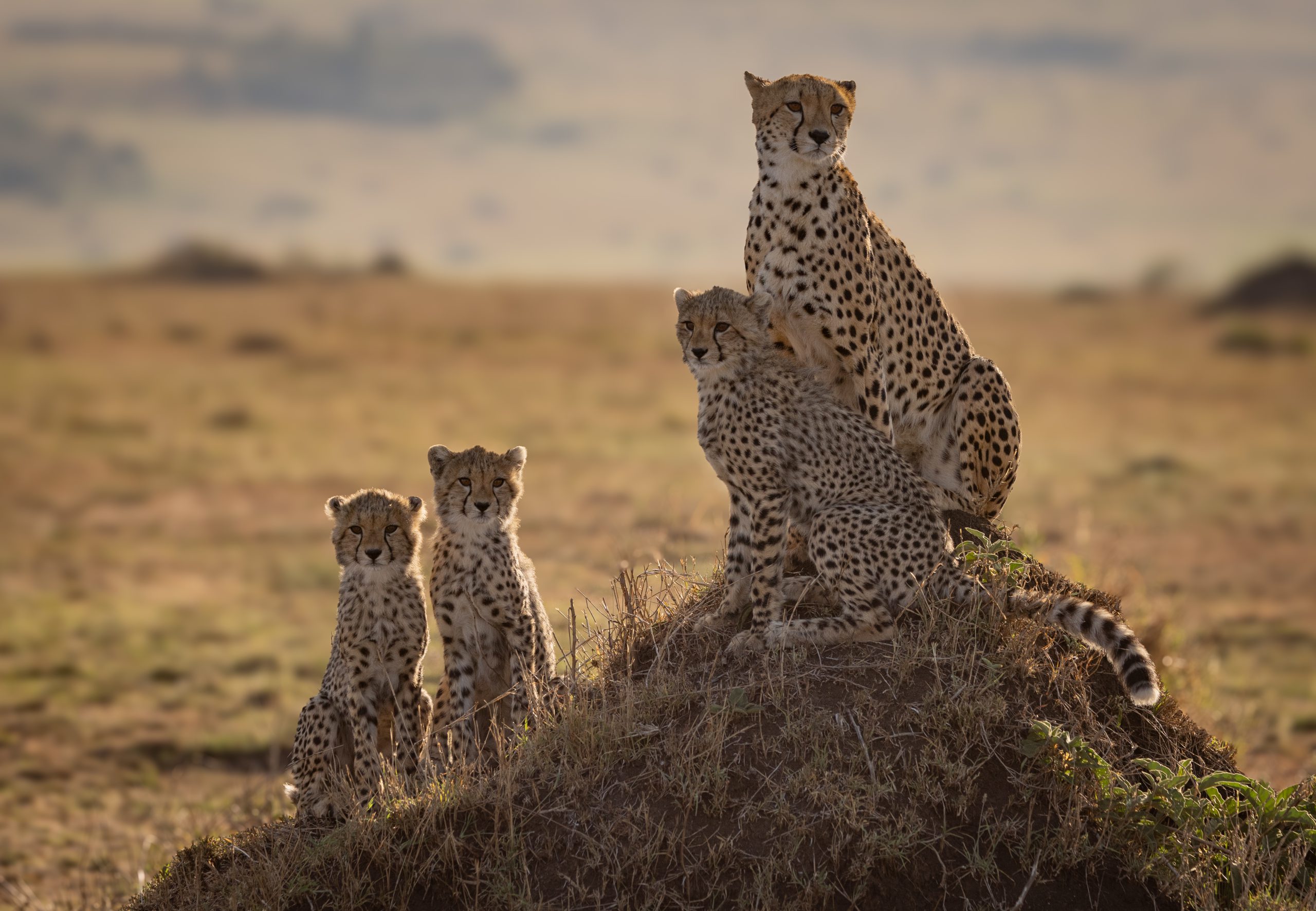
The area is world-famous for hosting the peak of the Great Wildebeest Migration during the winter months, specifically between January and March, for the annual calving season. Hundreds of thousands of calves are born here within a short window, creating a massive influx of life that immediately attracts intense predator activity from resident lion prides, cheetahs, leopards, and hyenas. The open, flat terrain makes Ndutu one of the premier locations in East Africa for viewing high-speed predator hunts and cheetah activity.
Safari logistics are highly unique because Ndutu allows for responsible off-road driving, an activity strictly banned in the main Serengeti National Park boundaries. This allows safari vehicles to approach wildlife sightings closely, making it a dream destination for professional wildlife photographers. Accommodations are highly seasonal, featuring a mix of historic permanent tented lodges and mobile luxury camps that deploy specifically to track the calving herds.
Highlights
Up to half a million calves are born on the Ndutu plains in a matter of weeks.
Short grass and off-road access make for exceptional cheetah and lion viewing.
Dramatic skies, lush plains and newborn wildlife create superb photographic conditions.
The best months
December to March for the calving and predator action.
Tanzania weatherOur picks for NdutuOther months
Good to know
By road from Arusha, about 5 to 6 hours through the Ngorongoro highlands; light aircraft fly to the nearby airstrip in the calving season.
Two or three nights in the calving season gives you time with the herds and the predators that follow them.
Photographers and travellers who want the migration early in the year, away from the dry-season crowds in the north.
Park fee, approximately
$70.80 per adult, per 24 hours (VAT included)
$23.60 for children aged 5 to 15, under 5 free.
A crater descent adds a service fee of $295 per vehicle.
Non-resident rates. Source: Ngorongoro Conservation Area Authority tariffs, checked 20 October 2026. Fees change; where a journey includes park fees, we quote the current ones.
Go there
Camps and lodges
Chosen for where they sit. Open one to read about it.
Places nearby
Before you go
Usually January to March, with most calves born over a few weeks around February. The exact timing follows the rain.
It sits on both sides of the boundary: most of the area is in the Ngorongoro Conservation Area, with the rest in the southern Serengeti.
Calving Season
Tell us when you would like to go and how you like to travel, and we will shape a journey around Ndutu, with honest advice and no obligation.