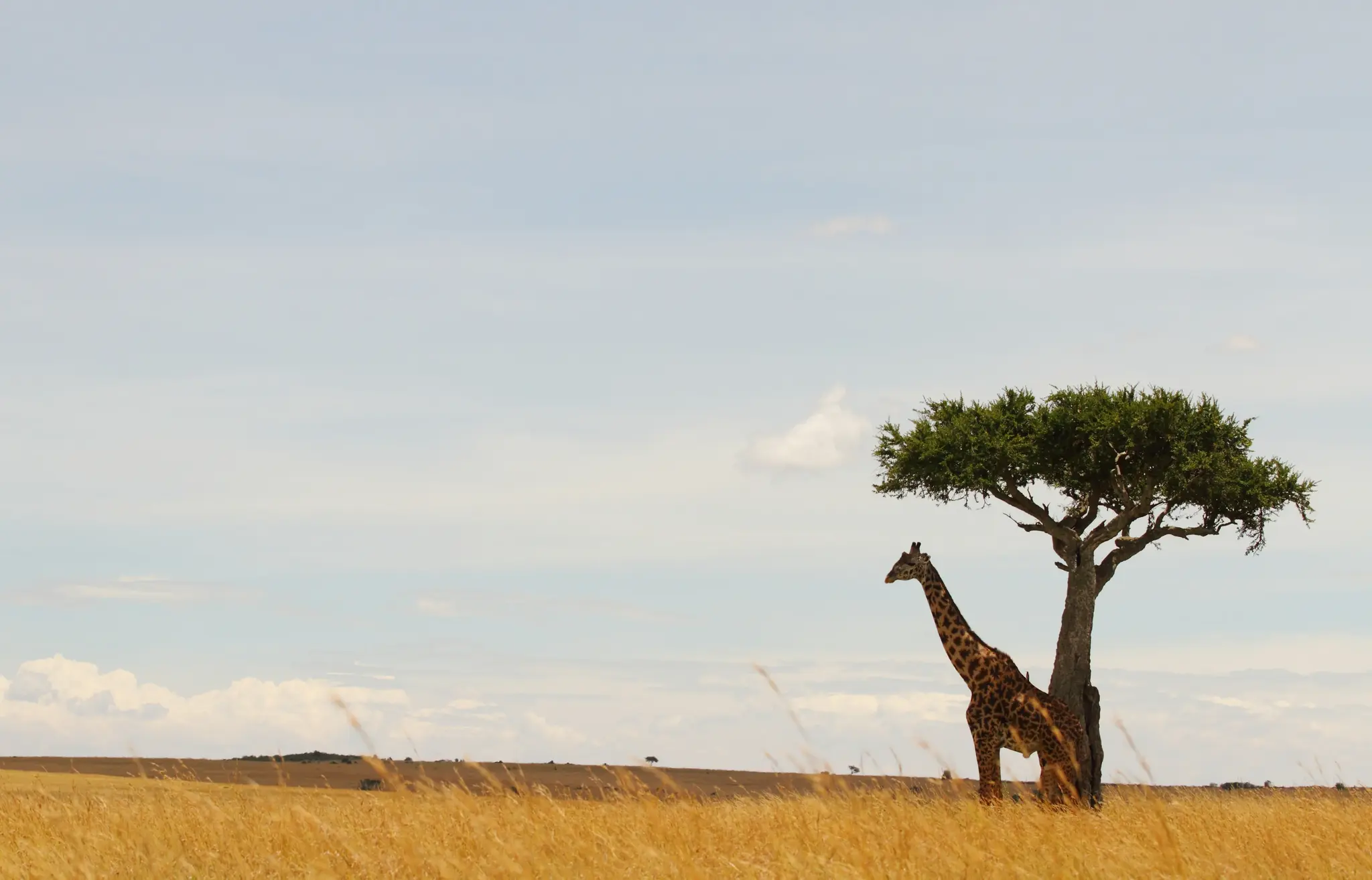
A first safari raises a lot of small questions. How early do you get up? What happens at lunch? Where is the toilet? This is a plain account of what a day on safari in Tanzania is like, so you can arrive knowing what to expect and spend your energy on the wildlife.
A day on safari
Most days start early. Animals are most active in the cool of the morning, so you set off soon after sunrise with coffee and a packed breakfast, or after an early breakfast at the lodge. You drive slowly through the park, stopping whenever there is something to see, for as long as you like: on a private safari the pace is yours.
Around midday you stop for a picnic lunch at a designated site, or return to camp. The early afternoon is hot and quiet, so many travellers rest before an afternoon drive that lasts until the park closes around sunset. Evenings are for dinner, the stars and an early night.
Not every day is like this. Days that move between parks include a drive on the road, though the roads between the northern parks pass through the Rift Valley and the Ngorongoro highlands, which are worth seeing in their own right.
The vehicle
Safaris in Tanzania are usually in a four-wheel-drive vehicle with a roof that lifts, so you can stand up for a clear view and for photographs. On a private safari the vehicle is yours: everyone gets a window seat, and there is room for a camera bag.
Your guide
Your guide drives, finds the wildlife and explains what you are seeing, from the behaviour of a lion pride to the name of the bird on the next branch. Tell them what you most want to see and how you like to spend the day; a good guide reads the group and adapts.
What you are likely to see
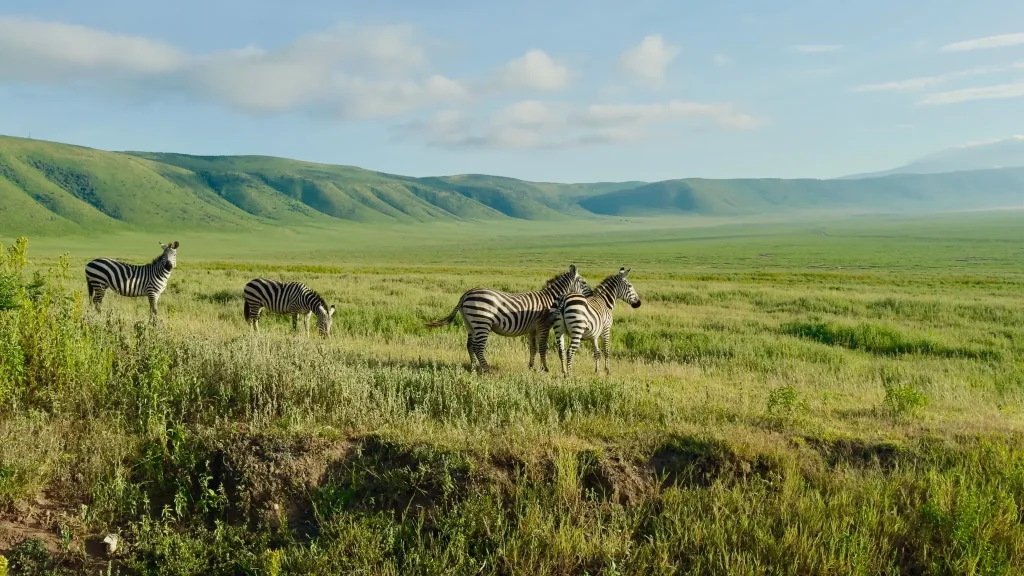
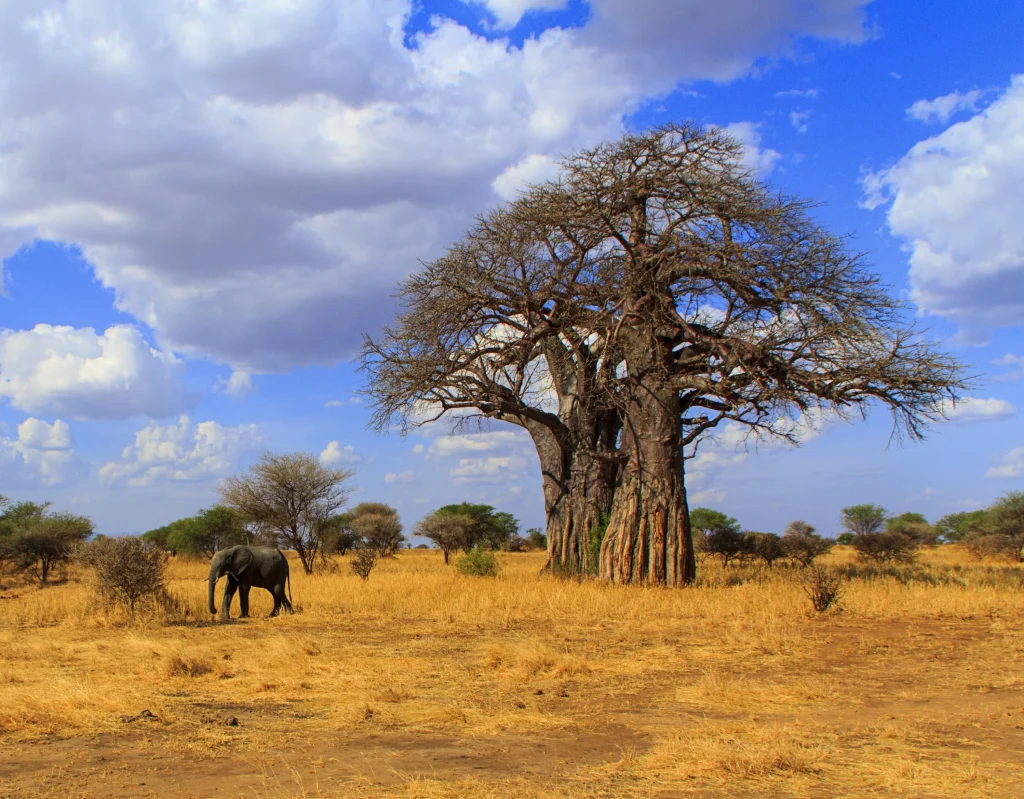
On a week in the northern parks most travellers see elephant, giraffe, zebra, wildebeest, buffalo, hippo and lion, with a good chance of cheetah and leopard, and black rhino in Ngorongoro Crater. Nothing is ever guaranteed in the wild, which is part of the thrill, but the Serengeti and the crater are among the most reliable places in Africa for game viewing.
Practical things
- Toilets. Gates, picnic sites and lodges have them. Out in the park your guide will find a safe spot if you need to stop; just ask.
- Staying in the vehicle. In the national parks you stay inside the vehicle except at designated places. Walking safaris are possible in some areas with an armed ranger.
- Dust and sun. The roads are dusty in the dry season, and the sun is strong. A hat, sun cream and a light scarf help.
- Cold mornings. Early drives and the crater rim can be surprisingly cold. Bring a warm layer.
- Quiet. Keep voices low and phones on silent near animals, and never ask a guide to drive off the track where it is not allowed.
How long should a first safari be?
Five to seven days covers Tarangire, Ngorongoro Crater and the Serengeti without rushing. Three or four days gives a shorter taste of Tarangire and the crater. Our planning guide walks through the choices step by step, and our cost guide shows what each comfort level costs per day.
Ready to start? Tell us your dates and what you would love to see, and we will suggest a first safari that suits you.