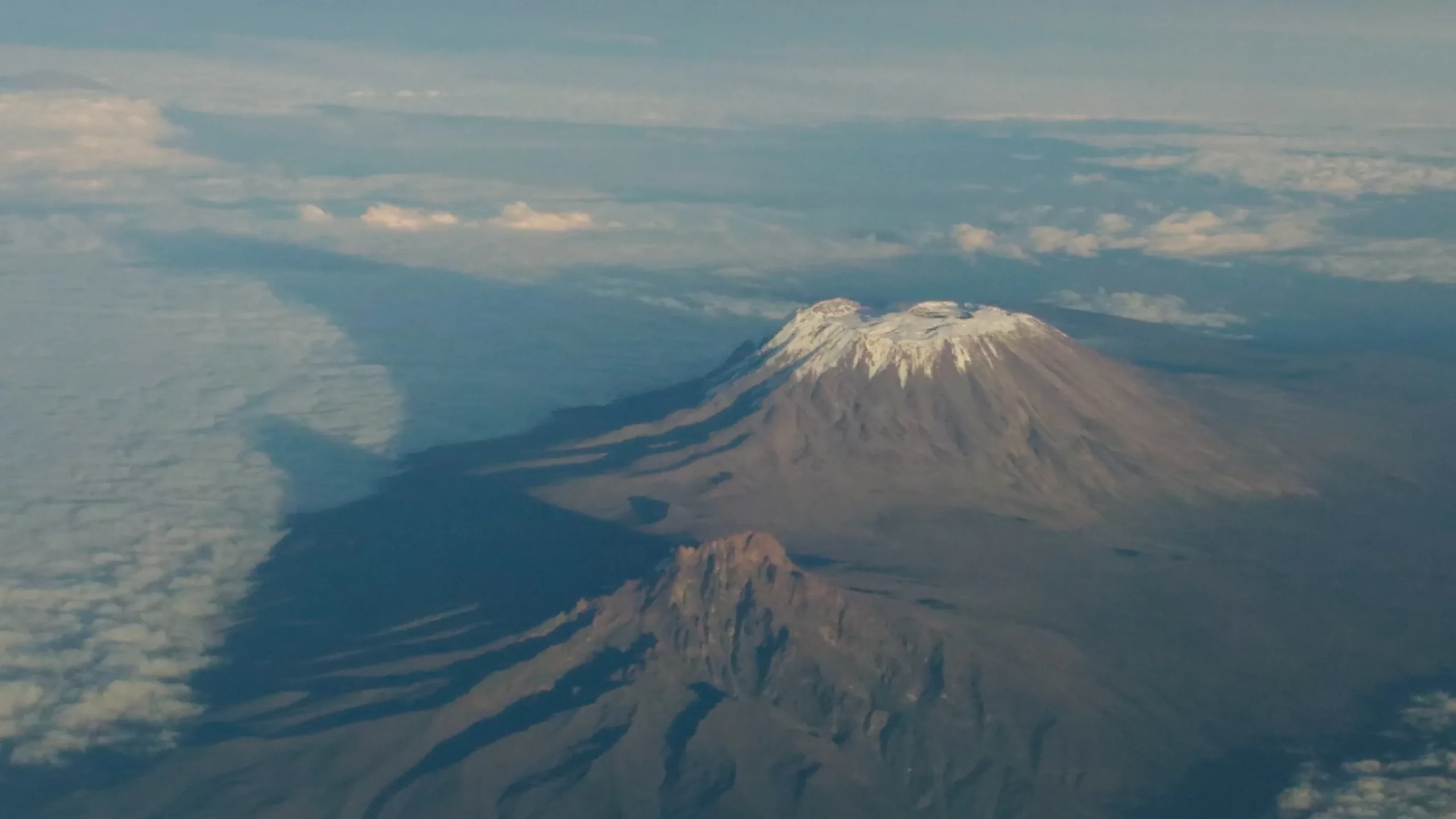
Most people who climb Kilimanjaro choose between two routes: Machame and Lemosho. Both are beautiful, both camp under canvas and both join the same high trail around the mountain’s southern side before the summit night. The differences are in the start, the number of days and how busy the trail is. Here is how to choose.
Machame: dramatic and popular
Machame climbs from the south-west through thick rainforest, then across the Shira plateau and around the mountain to the Barranco Wall, a steep scramble that most people enjoy more than they expected. It usually takes six or seven days, which makes it one of the most popular routes on the mountain, so the camps can be busy in the high season.
Lemosho: longer and quieter
Lemosho starts further west, with a longer approach through forest and across the whole of the Shira plateau before it joins the Machame trail. It takes seven or eight days. Those extra days on the way up are what make the difference: more time at moderate altitude helps the body adjust, and the first days are far quieter.
The one thing that matters most
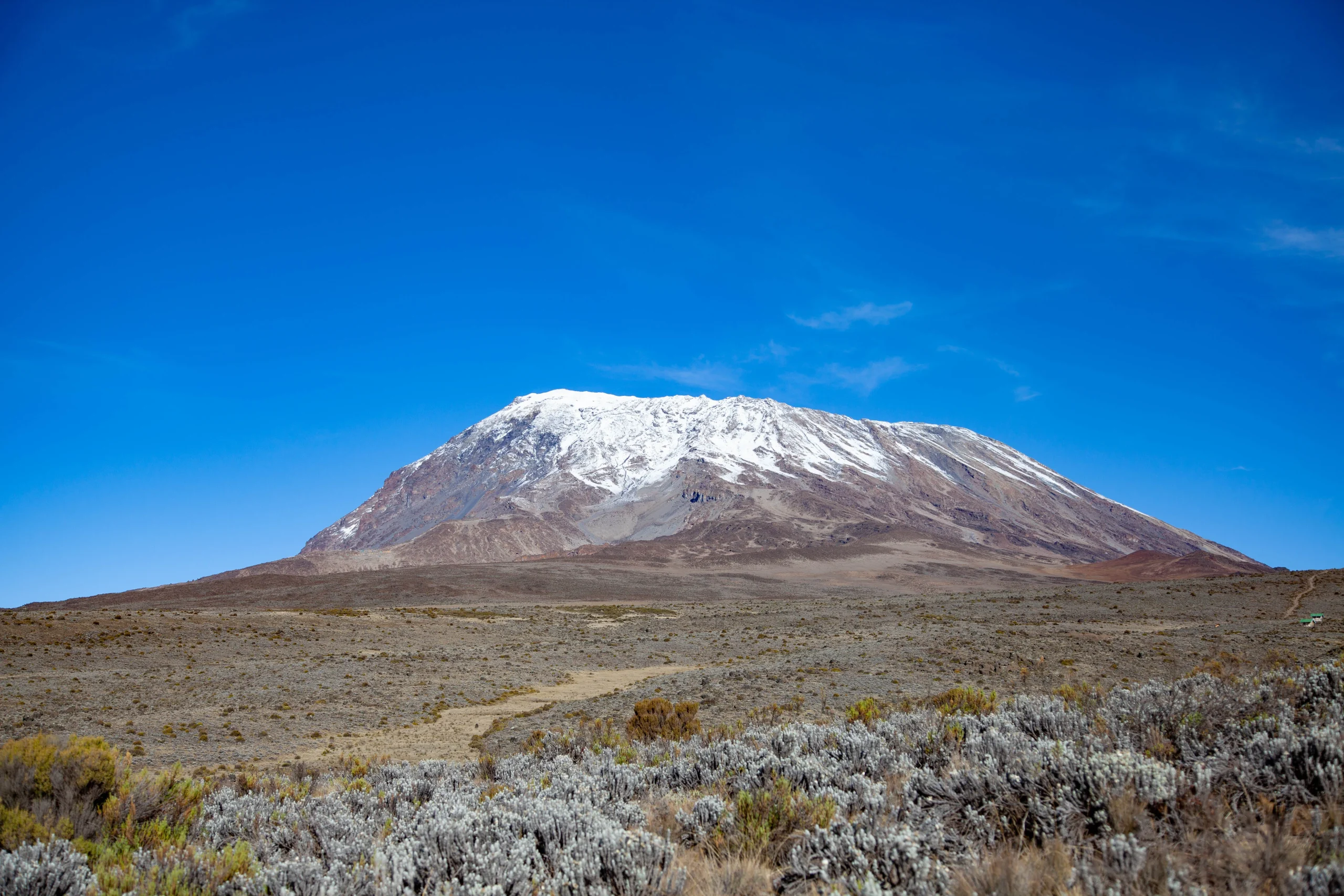
The biggest challenge on Kilimanjaro is not the terrain but the altitude. Uhuru Peak stands at 5,895 metres, and how well you acclimatise depends largely on how many days you spend getting there. That is why an extra day is the single best investment in reaching the top. If you can spare it, choose the 7-day Machame or the 8-day Lemosho over the shorter versions.
Which should you choose?
- Choose Lemosho if you have eight days, want the best acclimatisation and like quiet trails and wide views.
- Choose Machame if you have six or seven days and do not mind sharing the trail; take the seven-day version if you can.
- Consider the Northern Circuit if you have nine days: the longest route and the gentlest on the body.
- Consider Rongai in the wetter months: it climbs from the north, the driest side of the mountain.
When to climb
The drier months, roughly January to March and June to October, are the most popular. The long rains of April and May make the trails wet and the camps cold, though climbs run all year.
Compare every route on our Kilimanjaro page, see all our climbs with prices, or read what to pack for the climb.