Most people travel to Tanzania between June and October, the dry season. But the rest of the year has its own rewards, and for some travellers the green season is the better choice: greener, quieter and often better value. Here is an honest look at what to expect.
What the green season is
Northern Tanzania has two rainy seasons: the short rains, roughly November and December, and the long rains, roughly March to May. The short rains usually come as afternoon showers between sunny spells. The long rains are heavier, with April and May the wettest months.
The rewards
- Fewer vehicles. The parks are at their quietest, and you often have sightings to yourself.
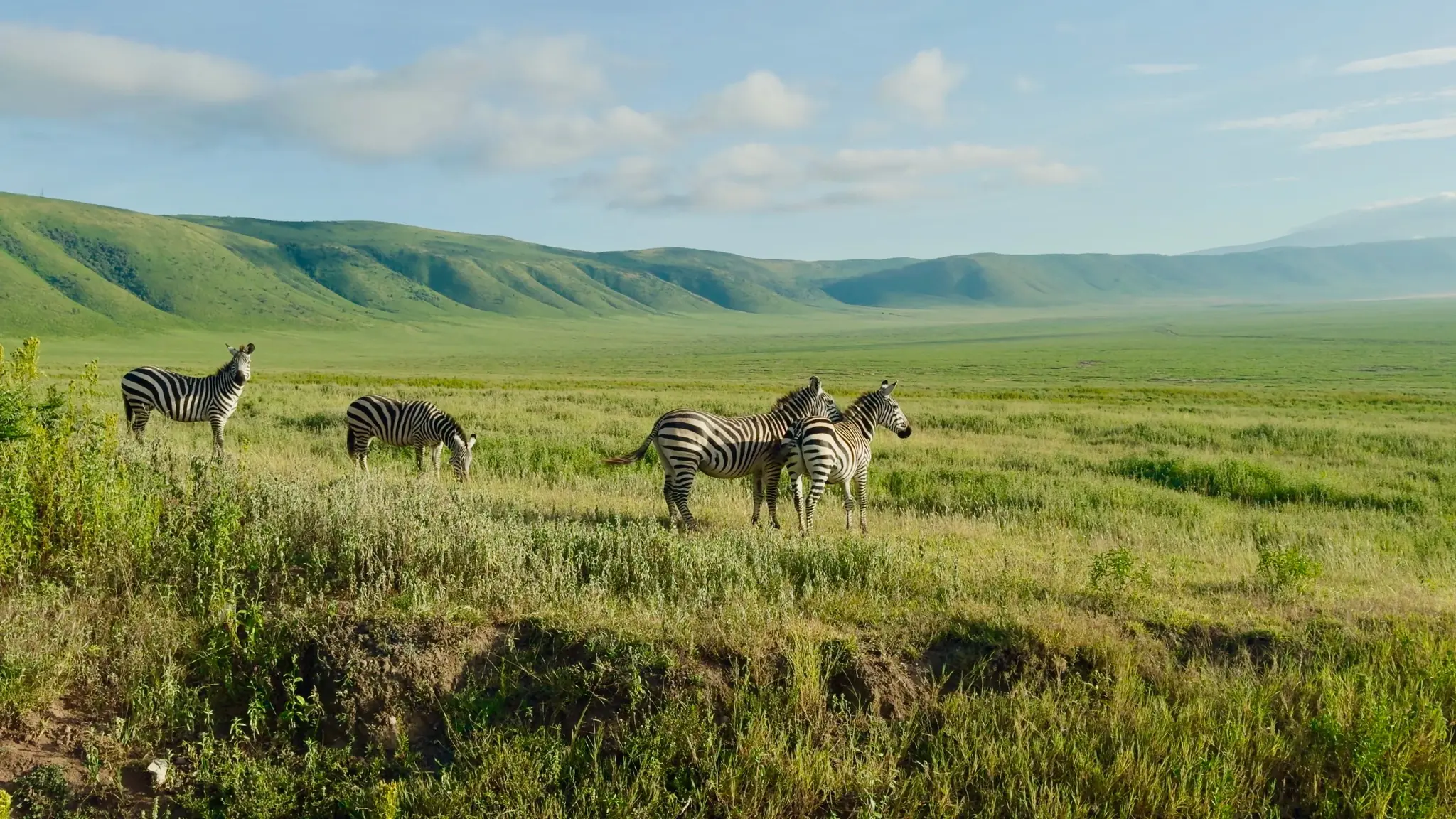
- Green landscapes and dramatic skies, which many photographers prefer to the dust of the dry season.
- Newborn animals. Early in the year the wildebeest calve on the southern plains around Ndutu, and the predators follow.
- Birds. Migrant birds arrive from Europe and Asia, and many resident species are in breeding colours.
- Lower costs. Tanzania’s national park fees are lower from 15 March to 15 May, and many camps reduce their rates.
The trade-offs
- Some camps close in April and May, especially seasonal camps in the Serengeti, and some beach hotels on Zanzibar close too.
- Roads can be muddy, and some tracks become difficult after heavy rain; an experienced guide plans around them.
- Animals spread out when water is everywhere, so the big herds of the dry season are harder to find in parks like Tarangire.
Who it suits
The green season suits travellers who value space and quiet over guaranteed sunshine, photographers, birdwatchers, and anyone travelling on a tighter budget. January and February, between the two rains, are a sweet spot: calving season in the south, mostly dry weather, and good beach weather on Zanzibar.
See the weather month by month in our best time to visit guide, follow the herds in our Great Migration guide, or find out what a safari costs in each season.